Category: Uncategorized

  • Lead Poisoning

    lead paint

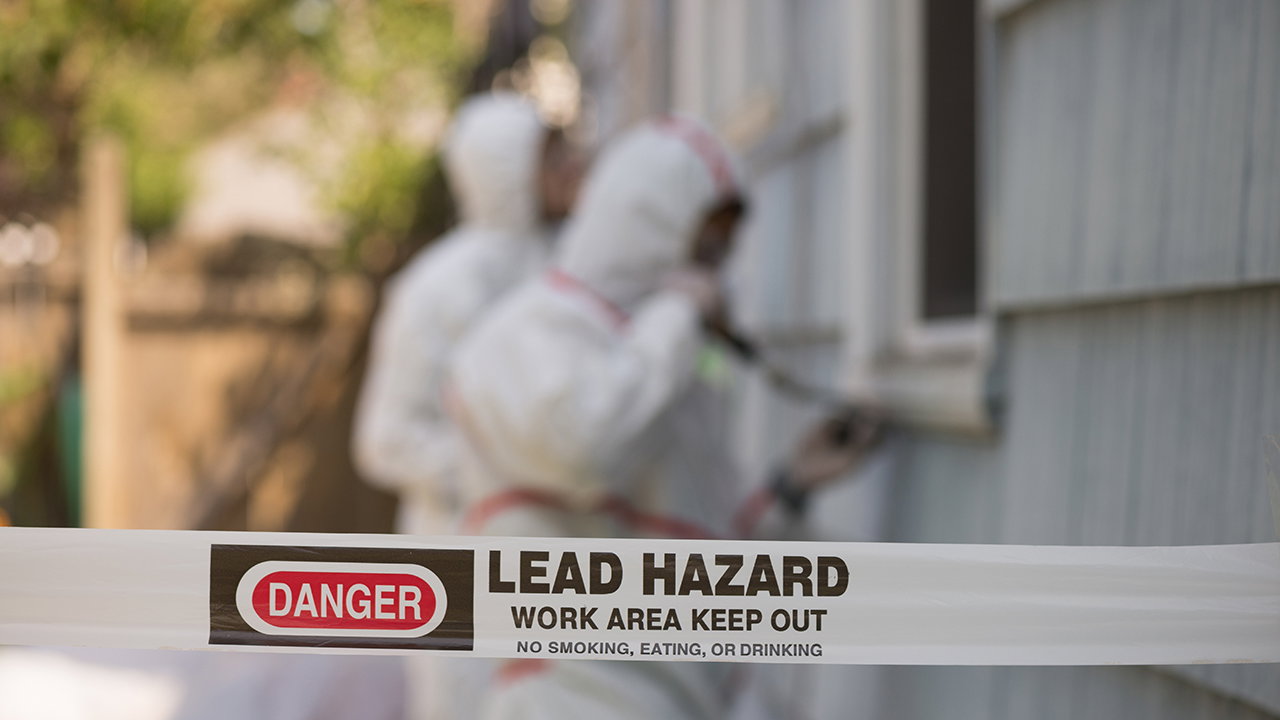
    Lead poisoning is a serious problem that can lead to adverse health problems. In children, high levels of lead can cause damage to the brain and nervous system, behavioral and learning problems, slow growth, and hearing problems. In adults, lead poisoning can cause reproductive problems, high blood pressure, digestive problems, nerve disorder, memory and concentration problems, and muscle and joint pain.

    Lead poisoning is especially a problem in cities with older buildings. Typically, lead is present in the paint from older buildings, in the water supply, and in the environment from cars and buses. Preventing lead poisoning in large cities, where there is such widespread possibility for exposure is both difficult and expensive. Federal programs have attempted to address this problem.

    Lead poisoning is also an issue that buyers and sellers need to consider. Houses that were built before 1978 probably have paint that contains lead. Federal law requires that sellers disclose known information on lead-based paint hazards before selling a house. Sales contracts must include a federal form about lead-based paint in the building. Buyers will have up to 10 days to check for lead hazards and are likely to stipulate corrections.

  • Setting the Price

    The price is the first thing buyers notice about your property. If you set your price too high, then the chance of alienating buyers is higher. You want your house to be taken seriously, and the asking price reflects how serious you are about selling your home.

    Several factors will contribute to your final decision. First, you should compare your house to others that are in the market. If you use an agent, he/she will provide you with a CMA (Comparative Market Analysis). The CMA will reflect the following:

    • houses in your price range and area that were sold within the last half-year
    • asking and selling prices of houses
    • current inventory of houses on the market
    • features of each house on the market

    From the CMA, you will learn the difference between the asking price and selling price for all homes sold, the condition of the market, and other houses comparable to yours.

    Also, try to find out what types of houses are selling and see if it applies to your area. Buyers follow trends, and these trends can help you set your price.

    Always be realistic. Understand and set your price to reflect the current market situation.

  • Documenting Your Assets – Verifying Your Down Payment

    When buying a home, it is not enough to just come up with the money. With the exception of no asset verification loans, lenders want to verify where the money for your new home will be coming from. If you can document that the funds are coming from your personal savings, the lender is more confident of your strength as a borrower.

    In addition, if you can verify that you have additional assets that are not needed for the down payment, it is important to document those, too. Additional assets are reserves you can draw upon during times of trouble, such as unemployment, medical emergencies, and similar occurrences. Additional assets can also help to document that you have a history of saving money, which makes you a more dependable borrower.

    It is extremely important to completely document the paper trail of any funds you use for down payment and closing costs. The sections below provide guidance on both verifying assets and documenting them as a source of your down payment.

    Checking, Savings, & Money Market Accounts

    The quickest and easiest way to document funds in your bank account is to provide your lender with copies of your most recent bank statements. Most lenders request two months of bank statements, but some still ask for three. Some lenders still send a Verification of Deposit to your bank in order to determine your current bank balances and average balance for the last two months. However, that is the old way of doing business and most lenders nowadays prefer to have bank statements.

    If the money you are using for the down payment and closing costs has been in the bank for the entire period covered by the bank statements, you’re fine. These are known as “seasoned funds.” However, if your statements show any large or unusual deposits, the lender will ask you to explain them and document their source.

    Stocks, Bonds, Mutual Funds, etc.

    Most of those who own stocks get a monthly or quarterly statement from their brokerage. You will need to supply statements for the most recent sixty or ninety days in order to document these assets.

    Though it is rare nowadays, some people actually have stock certificates instead of having a brokerage account. When this is the situation, make copies of the certificates and provide those copies to your lender. You might also want to supply tax records to indicate you have owned these stocks for some time.

    If part of your down payment will come from the sale of stocks and investments, you will need to keep all documentation that applies to the sale. Provide these copies to your lender as well.

    Gifts

    Especially when buying a first home, some borrowers need help coming up with the down payment. This help should come in the form of a gift from a close family member. Lenders will require the donors to sign a special form called a gift letter. The gift letter states the relationship between the parties, the address of the purchased property, the amount of the gift, and sometimes the source of the funds used to make the gift. The gift letter also clearly states that the funds are a gift and not required to be repaid.

    With most lenders, the donor will have to also provide evidence that they have the ability to make the gift. This can be in the form of a bank or stock statement to show they have the funds available. You should also make a copy of the check used to make the gift and keep a copy of the deposit receipt when you deposit the gift funds into your bank account or escrow.

    401K or Retirement Accounts

    It is important to provide documentation about your retirement accounts or 401K programs because this is another asset you could draw upon as reserves in case of a problem. It is also another way to show you have a savings history. Just provide a copy of your most recent statement to your lender.

    Many people use these accounts as a source of funds for their down payment, too. Some employers allow you to cash out a portion of the 401K and some allow you to borrow against it. Be sure to keep copies of all paperwork involving the transaction. If they cut you a check, be sure to make a photocopy of that, too, including any receipt for deposit into your personal bank account.

    If you are borrowing against your 401K, some lenders will count this as an additional debt to go along with car payments, credit cards and other obligations. This may seem kind of silly because you are borrowing your own money, but from the lender’s viewpoint it is still a monthly obligation that you must come up with and should be taken into account. If you are tight on your debt-to-income ratios in qualifying for a home loan, this could be an important consideration. It may affect whether you choose to cash out the account and pay any tax penalty, or simply borrow against it.

    Employers

    Some companies provide down payment assistance for their employees. They may feel that Homeowners are more stable and reliable employees, or that providing down payment assistance fosters an environment of higher morale and loyalty to the firm. Just make copies of all the paperwork, including a copy of the check and the receipt when you deposit the funds into your personal bank account. It is important that these funds do not require repayment.

    Savings Bonds

    If you have Savings Bonds, remember that they are also financial assets. Since you hold the actual bonds in your possession, the easiest and best way to verify them for your mortgage lender is to make photocopies of them. If you choose to cash them in for down payment or closing costs, you should do this at your local bank. Be sure to keep copies of the paperwork the bank provides because that will establish the current value of the bonds and show that you received their cash value.

    Personal Property – Cars, Antiques, etc.

    Personal property includes automobiles, vehicles, boats, furniture, collections, heirlooms, antiques, art, clothing, and practically everything you own except for real estate. The mortgage application asks you to estimate the value of these items.

    The larger the loan amount, the more important it is for you to provide details on your personal property. This is because larger loans usually indicate larger incomes, and lenders check to see if your personal property matches your income. If it does not, this sends a red flag to the underwriter and they take a closer look at your application.

    You are not required to document the value of personal property unless you intend to sell them to come up with your down payment.

    Selling Personal Property

    For those Homebuyers who do sell personal property in order to come up with their down payment, the verification process can be arduous. Lenders are much stricter about documenting this method of coming up with your source of funds.

    Selling a car is perhaps the easiest to document. First, you need to photocopy the registration that shows you actually own the vehicle. You will have to provide a copy of the page in the “Blue Book” that shows your model and its value. Then you need to photocopy the bill of sale showing the transfer to another individual and a copy of the check used to purchase the vehicle. Do not get paid in cash because that makes it impossible to show you actually received the funds. Make a copy of the receipt when you deposit the funds into the bank.

    Other types of personal property are more difficult because you have to show that you actually own the property and that it actually has the value that you sold it for. This is a little harder to do for most assets than it is for automobiles.

    Records showing you purchased the property would be helpful. You could also provide an old inventory that documents ownership. To determine value, you may have to contract with an independent appraiser or a specialist who has the knowledge for that particular type of property.

    If you cannot document the item’s value, the lender will not view the sale as an acceptable source of funds. Just like selling a car, you have to prove you own the item, make a copy of the bill of sale, copy the check used to purchase the item, and make a copy of your receipt when you deposit the funds into your bank.

  • Underground Heating Oil Tanks

    Underground heating oil tanks can pose many potential problems to both home buyers and sellers. They have been the source of many environmental problems such as contamination of surrounding soil and ground water.

    Leaks are generally caused by the rust inside underground tanks or by an electrical condition sparked by electric utility lines.

    Buyers should always have the tank inspected to make sure that it is structurally sound. Buyers who do not want an underground fuel tank can arrange for an above ground tank to be installed in the basement and the underground tank to be shut off. Cleanup of any leaks will also have to be taken care of.

    For buyers, the underground heating oil tank should be written in the sales contract. For sellers, your lawyer should make sure that the description and condition of the underground heating oil tank is accurate and up-to-date.

  • Your Savings and Down Payment

    Your First Step Toward Buying a Home

    When preparing to buy a home, the first thing many homebuyers do is look at the real estate ads in newspapers, magazines and listings on the Internet. Some potential buyers read how-to articles like this one. The next thing you should do – before you call on an ad, before you talk to a REALTOR®, before you shop for interest rates – is look at your savings.

    Why?

    Because determining how much money you have available for down payment and closing costs affects almost every aspect of buying a home – including how you write your purchase offer, the loan programs you qualify for, and shopping for interest rates.

    Mortgage Programs

    If you only have enough available for a minimum down payment, your choices of loan program will be limited to only a few types of mortgages. If someone is giving you a gift for all or part of the down payment, your options are also limited. If you have enough for the down payment, but need the lender or seller to cover all or part of your closing costs, this further limits your options. If you borrow all or a portion of the down payment from your 401K or retirement plan, different loan programs have different rules on how you qualify.

    Of course, if you have enough for a large down payment, then you have lots of choices.

    Your loan choices include such varied programs as conventional fixed rate loans, adjustable rate mortgages, buydowns, VA, FHA, graduated payment mortgages and all the varieties of each.

    Shopping for Rates

    A very important reason you need to have at least some idea of your down payment is for shopping for interest rates. Some loan programs charge a slightly higher interest rate for minimal down payments. Plus, the interest rates for different loan programs are not the same. For example, conventional, VA, and FHA all offer fixed rate loans. However, the rates vary from one program to another.

    If you shop lenders by phone, the loan officer will be able to tell you which programs fit and quote your rates accordingly. However, if you are shopping on the Internet, you have to develop some idea of your loan program on your own.

    Writing Your Offer

    Another reason you need to have a clue about your down payment is because it affects how you write your offer to purchase a home. Not only are you required to put your down payment information in the offer, but also different loan programs have different rules that also affect how you write your offer. This is especially important when dealing with FHA and VA loans.

    If you are asking the seller to pay all or part of your closing costs, you have to be certain your loan program allows what you are asking. For smaller down payments, lenders allow the seller to pay less closing costs than for larger down payments. Some loan programs will allow a seller to pay certain types of costs, but not others.

    Finally, your down payment also affects your ability to qualify for a loan. When you make a small down payment, lenders are fairly strict about having you conform to their underwriting guidelines. For larger down payments, they will tend to make allowances or exceptions to the rules.

    Conclusion

    As you can see, the down payment affects every choice you make when you buy a home. Although you should look at ads, familiarize yourself with neighborhoods, learn about prices, and read as much as you can – when you get ready to take action – the first thing you should do is figure out how much money you have available for the purchase.

  • Environmental Issues

    environmental testing

    When purchasing a piece of property, it is important to be aware of any environmental liabilities associated with it. For example, you should find out if there are any registered underground tanks within several miles of the property, known contaminated properties in the neighborhood, or property owners who have been fined by the government for failing to meet environmental safety standards.

    Before, it took a costly site investigation to acquire this type of information, but now there are online environmental databases available at a fraction of the cost. Anyone can access reports on otherwise hard to detect environmental issues. With these databases, it is possible to obtain a list of hazards near a property, or spills and violations attributed to businesses nearby.

    Some reputable databases include VISTA Information Systems, located in San Diego, California, which allows you to register and search the data bank for free, and E Data Resources, which is located in Southport, Connecticut. These services are all relatively inexpensive, but can provide you with priceless information that is useful before you make a purchase.

  • Living Trusts

    living trust

    Estate planners often recommend Living Trusts as a viable option when contemplating the manner in which to hold title to real property. When a property is held in a Living Trust, title companies have particular requirements to facilitate the transaction. While not comprehensive, answers to many commonly asked questions are below. If you have questions that are not answered below, your title company representative may be able to assist you, however, one may wish to seek legal counsel.

    Who are the parties to a Trust?

    A Family Trust is a typical trust in which the Husband and Wife are the Trustees and their children are the Beneficiaries. Those who establish the trust and transfer their property into it are known as Trustors or Settlors. The settlors usually appoint themselves as Trustees and they are the primary beneficiaries during their lifetime. After their passing, their children and grandchildren usually become the primary beneficiaries if the trust is to survive, or the beneficiaries receive distributions directly from the trust if it is to close out.

    What is a Living Trust?

    Sometimes called an Inter-vivos Trust, the Living Trust is created during the lifetime of the Settlors (as opposed to being created by their Wills after death) and usually terminates after they die and the body of the Trust is distributed to their beneficiaries.

    Can a Trust hold title to Real Property?

    No, the Trustee holds the property on behalf of the Trust.

    Is a Trust the best way to hold my property?

    Only your attorney or accountant can answer that question. Some common reasons for holding property in a Trust are to minimize or postpone death taxes, to avoid a time consuming probate, and/or to shield property from attack by certain unsecured creditors.

    What taxes can I avoid by putting my property in trust?

    Married persons can usually exempt a significant part of their assets from taxation and may postpone taxes after the first of them to die passes. You should check with your attorney or accountant before taking any action.

    Can I homestead property that is held in a Trust?

    Yes, if the property otherwise qualifies.

    Can a Trustee borrow money against the property?

    A Trustee can take any action permitted by the terms of the Trust, and the typical Trust Agreement does give the Trustee the authority to borrow and encumber real property. However, not all lenders will lend on a property held in trust, so check with your lender first.

    Can someone else hold title for me “in trust?”

    Some people who do not wish their names to show as titleholders make private arrangements with a third party Trustee; however, such an arrangement may be illegal, and is always inadvisable because the Trustee of record is the only one who is empowered to convey, or borrow against, the property, and a Title Insurer cannot protect you from a Trustee who is not acting in accordance with your wishes despite the existence of a private agreement you have with the Trustee.

  • Understanding Foreclosures

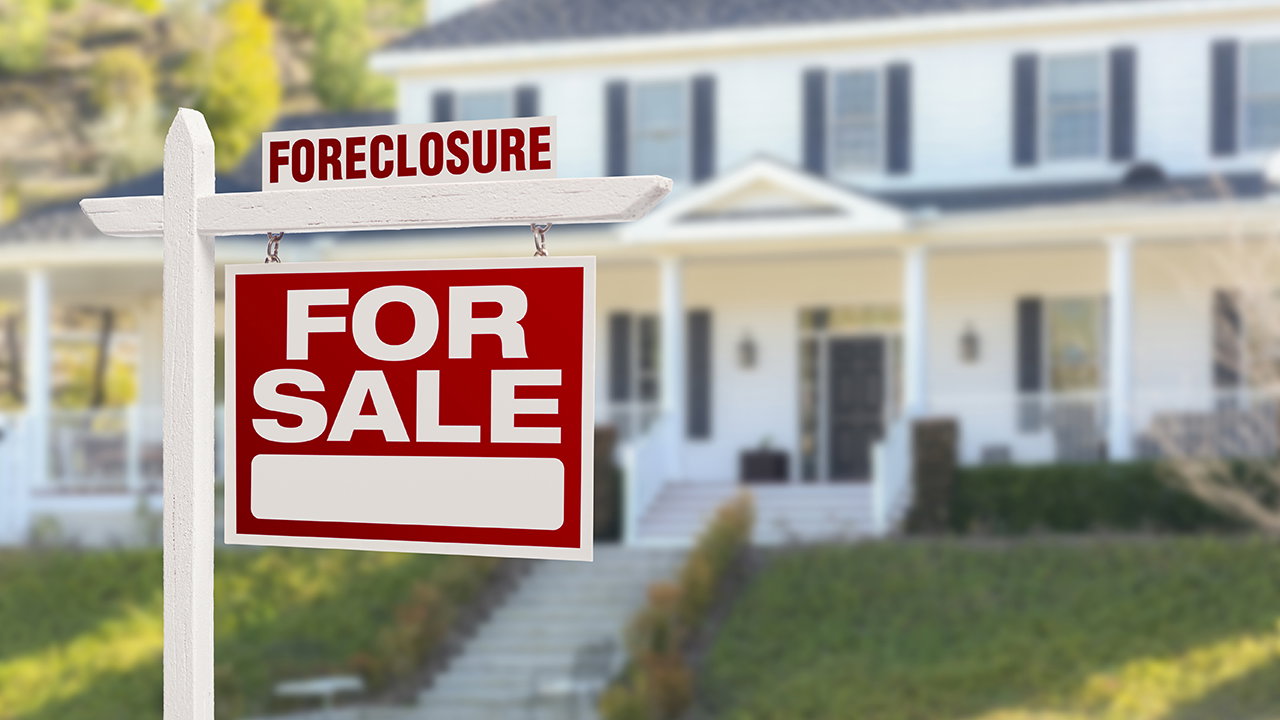
    It is an unfortunate commentary, but when economic activity declines and housing activity decreases, more real property enters the foreclosure process. High interest rates and creative financing arrangements are also contributing factors.

    When prices are rapidly accelerating during a real estate “bonanza”, many people go to any lengths available to get into the market through investments in vacation homes, rental housing and trading up to more expensive properties. In some cases, this results in the taking on of high interest rate payments and second, third and even fourth deeds of trust. Many buyers anticipate that interest rates will drop and home prices will continue to escalate. It is possible that neither will occur and borrowers may be faced with large balloon payments becoming due. When payments cannot be met, the foreclosure process looms on the horizon.

    In the foreclosure process, one thing should be kept in mind: as a general rule, a lender would rather receive payments than receive a home due to a foreclosure. Lenders are not in the business of selling real estate and will often try to accommodate property owners who are having payment problems. The best plan is to contact the lender before payment problems arise. If monthly payments are too hefty, it may be that a lender will be able to make some alternative payment arrangements until the owner’s financial situation improves.

    Let’s say, however, that a property owner has missed payments and has not made any alternate arrangements with the lender. In this case, the lender may decide to begin the foreclosure process. Under such circumstances, the lender, whether a bank, savings and loan or private party, will request that the trustee, often a title company, file a notice of default with the county recorder’s office. A copy of the notice is mailed to the property owner.

    If the default is due to a balloon payment not being made when due, the lender can require full payment on the entire outstanding loan as the only way to cure the default. If the default is not cured, the lender may direct the trustee to sell the property at a public sale.

    In cases of a public sale, a notice of sale must be published in a local newspaper and posted in a public place, usually the courthouse, for three consecutive weeks. Once the notice of sale has been recorded, the property owner has until 5 days prior to the published sale date to bring the loan current. If the owner cures the default by making up the payments, the deed of trust will be reinstated and regular monthly payments will continue as before.

    After this time, it may still be possible for the property owner to work out a postponement on the sale with the lender. However, if no postponement is reached, the property goes on the block. At the sale, buyers must pay the amount of their bid in cash, cashier’s check or other instrument acceptable to the trustee. A lender may “credit bid” up to the amount of the obligation being foreclosed upon.

    With the recent attention given to foreclosure, there also has been corresponding interest in buying foreclosed properties. However, caveat emptor: buyer beware. Foreclosed properties are very likely to be burdened with overdue taxes, liens and clouded titles. A buyer should do his homework and ask a local title company for information concerning these outstanding liens and encumbrances. Title insurance may or may not be available following a foreclosure sale and various exceptions may be included in any title insurance policy issued to a buyer of a foreclosed property.

    Your local title company will be happy to provide additional information.

  • Making a Good First Impression

    If you want buyers to be interested in your home, you need to show it in its best light. A good first impression can influence a buyer both emotionally and visually, thus prompting them to make an offer. In addition, what the buyer first sees is what they think of when they consider the asking price.

    A bad first impression can dissuade a potential buyer. Don’t show your property until it’s all fixed up. You do not want to give buyers the chance to use the negative first impression they have as means of negotiation.

    Ask around for the opinions others have of your home. Real estate agents who see houses everyday can give solid advice on what needs to be done. Consider what architects or landscape designers have to say. What you need are objective opinions, and it’s sometimes hard to separate the personal and emotional ties you have for the home from the property itself.

    Typically, there are some general fix ups that need to be done both outside and on the inside. As a seller, you should consider the following:

    • Landscaping – Has the front yard been maintained? Are areas of the house visible to the street in good condition?
    • Cleaning or Redoing the driveway – Is your driveway cluttered with toys, tools, trash etc.?
    • Painting – Does both the exterior and the interior look like they have been well taken care of?
    • Carpeting – Does the carpet have stains? Or does the carpet look old and dirty?

  • Understanding Preliminary Reports

    After months of searching, you’ve finally found it — your perfect dream home. But is it perfect?

    Will you be purchasing more than just a beautiful home? Will you also be acquiring liens placed on the property by prior owners? Have documents been recorded that will restrict your use of the property?

    The preliminary report will provide you with the opportunity, prior to purchase, to review matters affecting your property which will be excluded from coverage under your title insurance policy unless removed or eliminated before your purchase.

    To help you better understand this often bewildering subject, the Land Title Association has answered some of the questions most commonly asked about preliminary reports.

    What is a Preliminary Report?

    A preliminary report is a report prepared prior to issuing a policy of title insurance that shows the ownership of a specific parcel of land, together with the liens and encumbrances thereon which will not be covered under a subsequent title insurance policy.

    What role does a Preliminary Report play in the real estate process?

    A preliminary report contains the conditions under which the title company will issue a particular type of title insurance policy.

    The preliminary report lists, in advance of purchase, title defects, liens and encumbrances which would be excluded from coverage if the requested title insurance policy were to be issued as of the date of the preliminary report. The report may then be reviewed and discussed by the parties to a real estate transaction and their agents.

    Thus, a preliminary report provides the opportunity to seek the removal of items referenced in the report which are objectionable to the buyer prior to purchase.

    When and how is the Preliminary Report produced?

    Shortly after escrow is opened, an order will be placed with the title company which will then begin the process involved in producing the report.

    This process calls for the assembly and review of certain recorded matters relative to both the property and the parties to the transaction. Examples of recorded matters include a deed of trust recorded against the property or a lien recorded against the buyer or seller for an unpaid court award or unpaid taxes.

    These recorded matters are listed numerically as “exceptions” in the preliminary report. They will remain exceptions from title insurance coverage unless eliminated or released prior to the transfer of title.

    What should I look for when reading my Preliminary Report?

    You will be interested, primarily, in the extent of your ownership rights. This means you will want to review the ownership interest in the property you will be buying as well as any claims, restrictions or interests of other people involving the property.

    The report will note in a statement of vesting the degree, quantity, nature and extent of the owner’s interest in the real property. The most common form of interest is “fee simple” or “fee” which is the highest type of interest an owner can have in land.

    Liens, restrictions and interests of others which are being excluded from coverage will be listed numerically as exceptions in the preliminary report. These may be claims by creditors who have liens or liens for payment of taxes or assessments. There may also be recorded restrictions which have been placed in a prior deed or contained in what are termed CC&Rs- covenants, conditions and restrictions. Finally, interests of third parties are not uncommon and may include easements given by a prior owner which limit your use of the property. When you buy property you may not wish to have these claims or restrictions on your property. Instead, you may want to clear the unwanted items prior to purchase.

    In addition to the limitations noted above, a printed list of standard exceptions and exclusions listing items not covered by your title insurance policy may be attached as an exhibit item to your report. Unlike the numbered exclusions, which are specific to the property you are buying, these are standard exceptions and exclusions appearing in title insurance policies. The review of this section is important, as it sets forth matters which will not be covered under your title insurance policy, but which you may wish to investigate, such as governmental laws or regulations governing building and zoning.

    Will the Preliminary Report disclose the complete condition of the title to a property?

    No. It is important to note that the preliminary report is not a written representation as to the condition of title and may not list all liens, defects, and encumbrances affecting title to the land, but merely report the current ownership and matters that the title company will exclude from coverage if a title insurance policy should later be issued.

    Is a Preliminary Report the same thing as title insurance?

    Definitely not.

    A preliminary report is an offer to insure, it is not a report of a complete history of recorded documents relating to the property. A preliminary report is a statement of terms and conditions of the offer to issue a title insurance policy, not a representation as to the condition of title.

    These distinctions are important for the following reasons: first, no contract or liability exists until the title insurance policy is issued; second, the title insurance policy is issued to a particular insured person and others cannot claim the benefit of the policy.

    Can I be protected against title risks prior to the close of the real estate transaction?

    Yes, you can. Title companies can protect your interest through the issuance of “binders” and “commitments”.

    A binder is an agreement to issue insurance giving temporary coverage until such time as a formal policy is issued. A commitment is a title insurer’s contractual obligation to insure title to real property once its stated requirements have been met.

    Discuss with your title insurer the best means to protect your interests.

    How do I go about clearing unwanted liens and encumbrances?

    You will wish to carefully review the preliminary report. Should the title to the property be clouded, you and your agents will work with the seller and the seller’s agents to clear the unwanted liens and encumbrances prior to taking title.

    Who can I turn to for further information regarding Preliminary Reports?

    Your real estate agent and your attorney, should you choose to use one, will help explain the preliminary report to you. Your escrow and title company can also be helpful sources.

    CONCLUSION

    In a business which is directed at risk elimination, the efforts leading to the production of the preliminary report, which is designed to facilitate the issuance of a policy of title insurance, is perhaps the most important function undertaken.

    Article by CLTA

Share with