Category: Uncategorized

  • Where Does the Money Come From for Mortgage Loans?

    In the olden days, when someone wanted a home loan they walked downtown to the neighborhood bank or savings & loan. If the bank had extra funds lying around and considered you a good credit risk, they would lend you the money from their own funds.

    It doesn’t generally work like that anymore. Most of the money for home loans comes from three major institutions:

    • Fannie Mae (FNMA – Federal National Mortgage Association)
    • Freddie Mac (FHLMC – Federal Home Loan Mortgage Corporation)
    • Ginnie Mae (GNMA – Government National Mortgage Association)

    This is how it works:

    You talk to practically any lender and apply for a loan. They do all the processing and verifications and finally, you own the house with a home loan and regular mortgage payments. You might be making payments to the company who originated your loan, or your loan might have been transferred to another institution. The institution where you mail your payments is called the servicer, but most likely they do not own your loan. They are simply servicing your loan for the institution that does own it.

    What happens behind the scenes is that your loan got packaged into a pool with a lot of other loans and sold off to one of the three institutions listed above. The servicer of your loan gets a monthly fee from the investor for servicing your loan. This fee is usually only 3/8ths of a percent or so, but the amount adds up. There are companies that service over a billion dollars of home loans and it is a tidy income.

    At the same time, whichever institution packaged your loan into the pool for Fannie Mae, Freddie Mac, or Ginnie Mae, has received additional funds with which to make more loans to other borrowers. This is the cycle that allows institutions to lend you money.

    What Freddie Mac, Ginnie Mae, and Fannie Mae may do after they purchase the pools is break them down into smaller increments of $1,000 or so, called mortgage-backed securities. They sell these mortgage-backed securities to individuals or institutions on Wall Street. If you have a 401K or mutual fund, you may even own some. Perhaps you have heard of Ginnie Mae bonds? Those are securities backed by the mortgages on FHA and VA loans.

    These bonds are not ownership in your loan specifically, but a piece of ownership in the entire pool of loans, of which your loan is only one among many. By selling the bonds, Ginnie Mae, Freddie Mac, and Fannie Mae obtain new funds to buy new pools so lenders can get more money to lend to new borrowers.

    And that is how the cycle works.

    So when you make your payment, the servicer gets to keep their tiny part and the majority is passed on to the investor. Then the investor passes on the majority of it to the individual or institutional investor in the mortgage backed securities.

    From time to time your loan may be transferred from the company where you have been making your payment to another company. They aren’t selling your loan again, just the right to service your loan.

    There are exceptions.

    Loans above $333,700 do not conform to Fannie Mae and Freddie Mac guidelines, which is why they are called non-conforming loans, or “jumbo” loans. These loans are packaged into different pools and sold to different investors, not Freddie Mac or Fannie Mae. Then they are securitized and for the most part, sold as mortgage backed securities as well.

    This buying and selling of mortgages and mortgage-backed securities is called mortgage banking, and it is the backbone of the mortgage business.

  • Which ARM is the Best Alternative?

    How would you like a mortgage loan where you did not have to make the whole payment if you did not want to? Or would you like a loan with an interest rate about 1% below a thirty-year fixed rate mortgage and pay zero points? Or a loan where you did not have to document your income, savings history, or source of down payment? How would you like a mortgage payment of only 1.95%? You can have all that with the 11th District Cost of Funds (COFI) Adjustable Rate Mortgage.

    Sound too good to be true? Sound like a bunch of hype?

    Each statement above is true. However, it is also only part of the story and loan officers do not always tell you the whole story when promoting this loan. Other loan officers may try to scare you away from adjustable rate mortgages. However, once you become aware of all the details of the loan, it is an excellent way to buy the house of your dreams, especially when fixed rates begin to go up.

    ARMs in General

    Adjustable rate mortgages all have certain similar features. They have an adjustment period, an index, a margin, and a rate cap. The adjustment period is simply how often the rate changes. Some change monthly, some change every six months, and some only adjust once a year. Indexes are simply an easily monitored interest rate that moves up and down over time. Adjustable rate mortgages have different indexes. The margin is the difference between your interest rate and the index. The margin does not change during the term of the loan.

    So if you have an adjustable rate mortgage and you wanted to calculate your interest rate on your own, all you have to do is look up the index in the paper or on the internet, add the margin, and you have your rate.

    Indexes and the 11th District

    The “Prime Rate” you hear about in the news is one interest rate index, although it is very rare that mortgages are tied to this index. It is more common to find adjustable rate mortgages tied to different treasury bill indexes, the average interest rate paid on certificates of deposit, the London Inter-Bank Offered Rate (LIBOR), or the 11th District Cost of Funds.

    COFI ARM Index

    The 11th District Cost of Funds (COFI) is the weighted average of interest rates paid out on savings deposits by banking institutions in the 11th district of the Federal Home Loan Bank (FHLB), which is located in San Francisco. The 11th District includes the states of California, Nevada, and Arizona.

    The COFI index moves slower than the other indexes, making it more stable. It also lags behind actual changes in the interest rate market. For example, when rates begin to go up, the COFI index may continue to decline for a couple of months before it also begins to rise.

    The Margin and Interest Rates

    The margin on the COFI ARM typically ranges between 2.25-3%.

    Monthly Adjustments Sound Scary, but…

    Although you can get a COFI ARM with an adjustable period of six months, you can get a lower margin if you go for the monthly adjustment period. Since the margin plus the index equals your interest rate, the lower margin is an advantage and most people choose the monthly adjustment.

    Monthly adjustments sound scary to the uninitiated, but keep in mind that this is a slow moving index. Most other ARMS have an annual cap of 2% a year. Since 1981, when the FHLB began tracking the index, the most it has moved during any calendar year is 1.6%. So why get a higher margin just to get a rate cap that you probably will not use anyway?

    The“life-of-loan” cap for the COFI ARM is usually 11.95%. The most recent year that this cap could have been reached was 1985. Plus, most experts do not expect a return to the interest rates of the early 1980’s when interest rates were pushed up artificially to combat the inflation of the 1970’s.

    Make Only Part of Your Payment?

    This is the really interesting feature of the loan. You do not have to make the whole payment. Each month you get a bill that has at least three payment options. One choice is the full payment at the current interest rate. A second choice allows you to pay only the interest that is due on the loan that particular month, but does not pay anything towards the principal. Finally, the third option gives you the choice to pay even less than that and is called the “minimum payment.”

    The minimum payment when you start your loan can be calculated as low as 1.95%. Keep in mind that this is not the note rate on your loan, but just a way to calculate your minimum payment.

    Deferred Interest and Amortization

    Of course, if you only make the minimum payment each month, you are not paying all of the interest that is currently due that month. You are deferring some of the interest that is currently due on the loan so you will have to pay it later. The lender keeps track of this deferred interest by adding it to the loan and the loan balance gets larger. Neither you nor the lender wants this to continue forever, so your minimum payment increases a bit each year.

    The payment cap on the loan is 7.5%, which also has nothing to do with the interest rate. All it means is the most your minimum payment can increase from one year to the next is seven and a half percent. For example, if your minimum payment is $1000 this year, next year the most it could be is $1075. This continues each year until your payment is approximately equal to the payment at the full note rate.

    Just in case, there are fail-safes built into the loan. If you continue making only the minimum payment and your current balance ever reaches 110% of the beginning balance, the loan is re-amortized to make sure you pay it off in thirty years (or forty years, whichever option you chose). Every five years the loan is re-amortized to make sure it pays off within the term of the loan.

    Stated Income and Other Features

    Many COFI lenders allow Homebuyers with good credit to apply without documenting their income, assets, or source of down payment. Of course, you have to make a twenty or twenty-five percent down payment on your home purchase. This is helpful for self-employed borrowers or those who have jobs where it is difficult to document their income. Plus, some people just do not like the bother of supplying W2 forms, tax returns and pay-stubs. Anyway, it makes for a quick and easy loan approval.

    Sub-Prime COFI ARMs

    Some people have less than perfect credit and they are used to being charged outrageous rates for past problems. Some COFI lenders offer this same loan but have a slightly higher starting payment and a higher margin. The end result is that your interest rate would be about one percent higher.

    Who Should Get This Loan?

    Most people who get the COFI ARM are purchasing a home between $300,000 and $650,000, but it is not limited to that. It is a real favorite of those working in the financial industry and those with higher incomes. One reason these groups like this particular loan is because they consider any deferred interest to be an extended loan at a very attractive rate. By making the minimum payment, they can do other things with the money.

    Homebuyers whose income has peaks and valleys, such as self-employed or commissioned salespeople also like the loan, because it provides flexibility in the monthly payment. During a slow month they can make the minimum payment if they choose.

    Another reason borrowers like the loan is because it allows for tax planning. The borrower can defer interest payments and at the end of the year, analyze their tax situation. If it serves their tax interests, they can make a lump sum payment toward any interest that has been deferred and deduct it for tax purposes.

    Skipping the Starter Home or Move-Up Home

    If you’re buying a home with the intention of living in it for only a few years before you move up to a bigger home, the COFI ARM makes sense, too. With this loan and its low start payment you can often qualify for a larger home than you can when applying for a fixed rate loan. This allows you to skip the intermediate purchase and move up immediately to the home you really want, which makes more sense and saves you money.

    If you buy a home then sell it to move up to a bigger home, you are going to have to pay a REALTOR’S® commissions and closing costs. On a $300,000 house, this would be around $25,000. If you skip buying that home and buy the home you really want, you save that money. Plus, you save money in another way. Say you live in your intermediate purchase for five years, then move up and buy another home with another thirty-year mortgage. That is thirty-five years of home loans. If you buy your ideal home now, you save five years of mortgage payments. Depending on your loan amount, that can be a lot of cash.

    Conclusion

    So, when rates start going up this is an attractive alternative to a fixed rate mortgage. It even makes sense for some borrowers when rates are low. Something we also did not mention is that most COFI lenders also give you a fourth option on your monthly mortgage statement, which allows you to pay it off quicker.

  • Types of Mortgage Lenders

    Mortgage Bankers

    Mortgage Bankers are lenders that are large enough to originate loans and create pools of loans, which are then sold directly to Fannie Mae, Freddie Mac, Ginnie Mae, jumbo loan investors, and others. Any company that does this is considered to be a mortgage banker.

    Some companies don’t sell directly to those major investors, but sell their loans to the mortgage bankers. They often refer to themselves as mortgage bankers as well. Since they are actually engaging in the selling of loans, there is some justification for using this label. The point is that you cannot reliably determine the size or strength of a particular lender based on whether or not they identify themselves as a mortgage banker.

    Portfolio Lenders

    An institution that lends their own money and originates loans for itself is called a portfolio lender. This is because they are lending for their own portfolio of loans and not worried about being able to immediately sell them on the secondary market. Because of this, they don’t have to obey Fannie/Freddie guidelines and can create their own rules for determining credit worthiness. Usually these institutions are larger banks and savings & loans.

    Quite often only a portion of their loan programs are a portfolio product. If they are offering fixed rate loans or government loans, they are certainly engaging in mortgage banking as well as portfolio lending.

    Once a borrower has made the payments on a portfolio loan for over a year without any late payments, the loan is considered seasoned. Once a loan has a track history of timely payments it becomes marketable, even if it does not meet Freddie/Fannie guidelines.

    Selling these seasoned loans frees up more money for the portfolio lender to make additional loans. If they are sold, they are packaged into pools and sold on the secondary market. You will probably not even realize your loan is sold because, quite likely, you will still make your loan payments to the same lender, which has now become your servicer.

    Direct Lenders

    Lenders are considered to be direct lenders if they fund their own loans. A direct lender can range anywhere from the biggest lender to a very tiny one. Banks and savings & loans obviously have deposits with which they can fund loans, but they usually use warehouse lines of credit for drawing the money to fund the loans. Smaller institutions also have warehouse lines of credit from which they draw money to fund loans.

    Direct lenders usually fit into the category of mortgage bankers or portfolio lenders, but not always.

    Correspondents

    Correspondent is usually a term that refers to a company that originates and closes home loans in their own name, then sells them individually to a larger lender, called a sponsor. The sponsor acts as the mortgage banker, re-selling the loan to Ginnie Mae, Fannie Mae, or Freddie Mac as part of a pool. The correspondent may fund the loans themselves or funding may take place from the larger company. Either way, the sponsor usually underwrites the loan.

    It is almost like being a mortgage broker, except that there is usually a very strong relationship between the correspondent and their sponsor.

    Mortgage Brokers

    Mortgage Brokers are companies that originate loans with the intention of brokering them to lending institutions. A broker has established relationships with these companies. Underwriting and funding takes place at the larger institutions. Many mortgage brokers are also correspondents.

    Mortgage brokers deal with lending institutions that have a wholesale loan department.

    Wholesale Lenders

    Most mortgage bankers and portfolio lenders also act as wholesale lenders, catering to mortgage brokers for loan origination. Some wholesale lenders do not even have their own retail branches, relying solely on mortgage brokers for their loans. These wholesale divisions offer loans to mortgage brokers at a lower cost than their retail branches offer them to the general public. The mortgage broker then adds on his fee. The result for the borrower is that the loan costs about the same as if he obtained a loan directly from a retail branch of the wholesale lender.

    Banks and savings & loans usually operate as portfolio lenders, mortgage bankers, or some combination of both.

    Credit Unions usually seem to operate as correspondents, although a large one could act as a portfolio lender or a mortgage banker.

  • 3 bedroom 2 bath Home Sandpoint Home Located Base of Schweitzer Mountain

    3 bedroom 2 bath Home Sandpoint Home Located Base of Schweitzer Mountain

    Sandpoint Realty recent listing (courtesy Rain Silverhawk) is an excellent example of location-location-location. 

    Sandpoint Realty Sweetgrass Sandpoint Idaho Listing

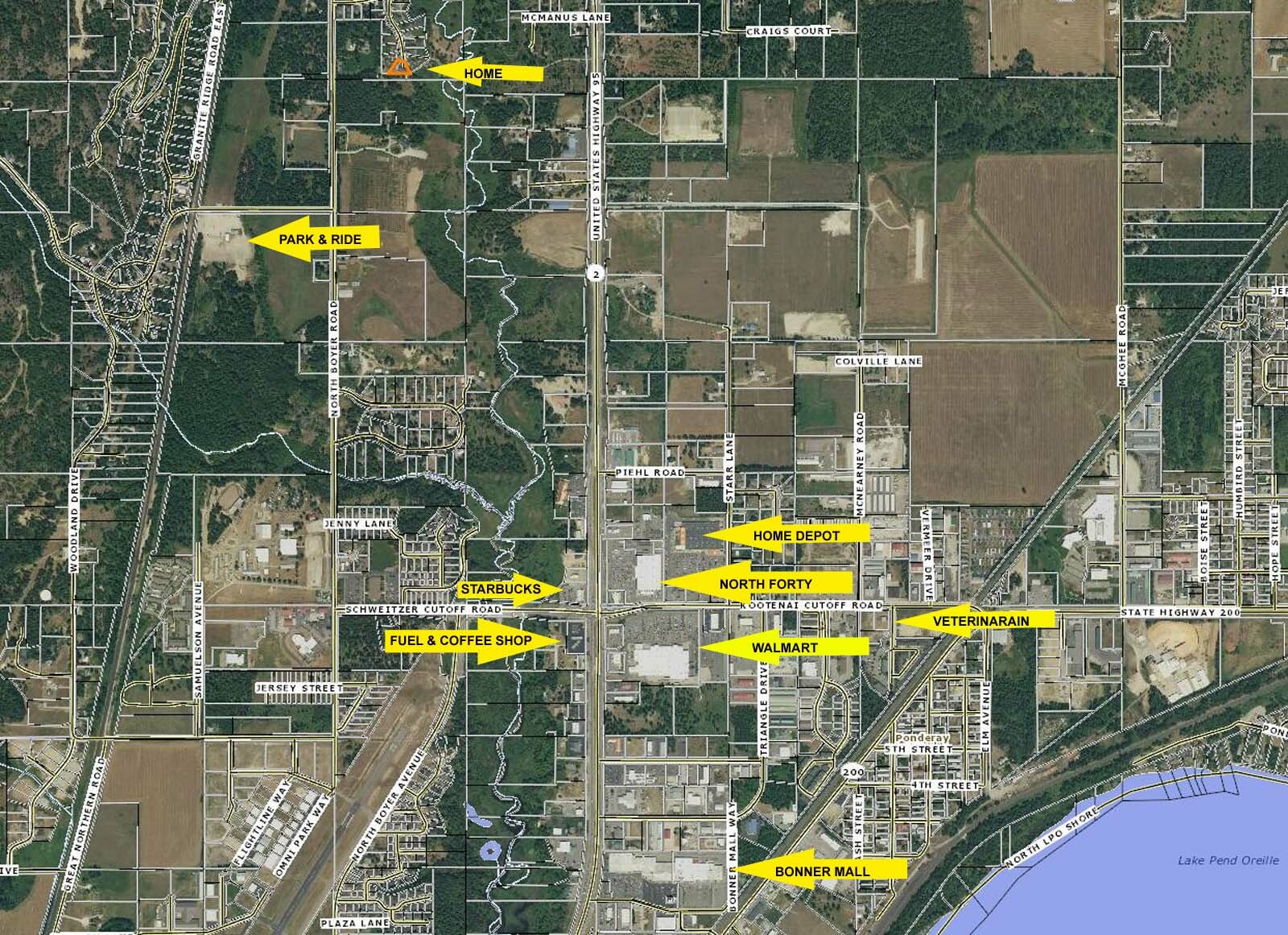
    Just at the upper portion of the aerial you can see the home at the outskirts of Sandpoint Idaho & Ponderay Idaho city limits.  Marked are some nearby well known locations.  Also within the same radius, and not marked, are several restaurants, hotels, medical, grocery, Post Office, multi screen theater, and of course a fast food haven along Hwy 95.  

    Also of note should be that Schweitzer Ski Resort Village is but 9 miles from their base Park & Ride, if one chooses to drive rather than take the shuttle.  Access to Highway 95 (highway 2 leg to Bonners Ferry) and Highway 200 (to Clark Fork and Hope Idaho) very simple and accessible.

    As seen in the short YouTube video above the home alone, on this very sought after and secluded street, is reason enough to set up a time to view, if not at least ask for additional information.  Add the benefits of these city comforts, shown on the aerial, all being less than 2 miles away, and this a must see home in Sandpoint Idaho.

    Selkirk MLS Listing 20230154    $599,000

    ‘Experience the Difference’ in working with a full time Professional Sandpoint Realty REALTOR®.  Your wants and needs will always be my priorities.  

    Mark Don McInnes

    Broker – REALTOR®

    208 255-6227

    SandpointNorthIdaho.com – North Idaho Home & Land Searches

    Sandpoint Realty LLC

    1205 Highway 2

    Sandpoint, Idaho 83864

  • Bonners Ferry Idaho Home for Sale – 4 bedroom 2 bath

    Lovely nostalgic in town Bonners Ferry Home for sale with end of road privacy.  This charming 4 bedroom, plus 5th non conforming, and 2 baths home has 1,822 sq. ft.,  and sits at end of the road on a double lot totaling .35 acres.  Close to all Bonners Ferry amenities, this is a home very much worth looking at.
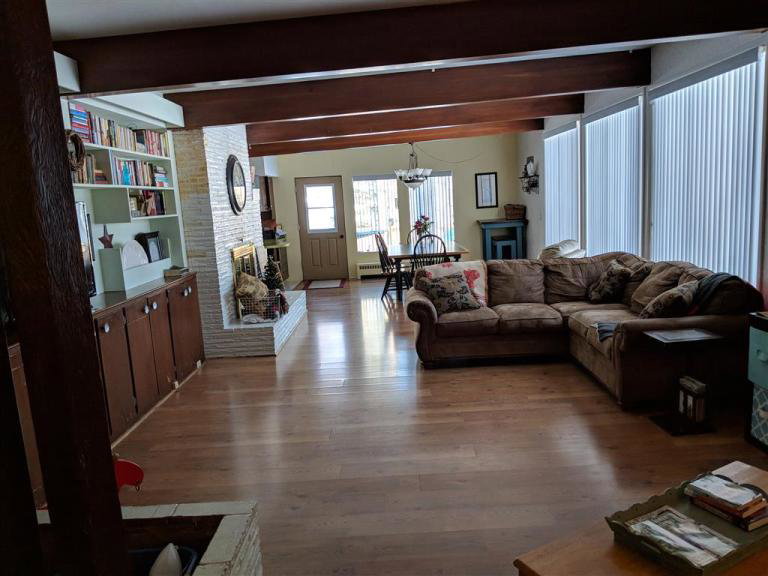

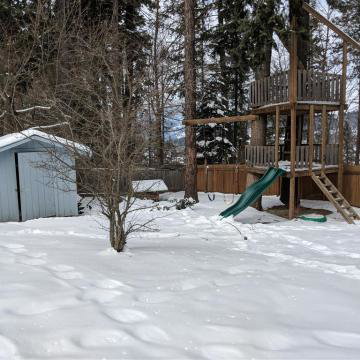
    Main floor living with kitchen opening to large dining and living room area.  Over sized windows bring the warmth of the day in with natural sunlight.  Master bedroom and 2 additional bedrooms on the main floor as well.  Step from the covered main entrance, off the 2 car carport, into hall way leading either to the kitchen or living room  Kitchen offers plenty of cupboard space and views to the large yard and tree house, along with filtered views to downtown Bonners Ferry.

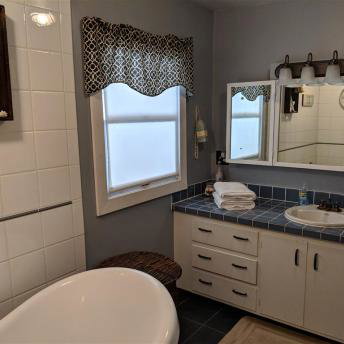
    Large 4th bedroom is on lower level along with a small shop / craft room plus a pantry – storage room.  Master bath has been redone with stand alone bath tub.  Very cute bathroom.  The attic offers the hideaway bonus room, with the possible 5th non conforming bedroom.
    The double lot allows for plenty of fenced outside room with a cool tree house.  There is a covered patio and open deck.

    This home includes an in ground pool although there is no value given with winter still upon us  and can not be sure of pump house condition.

    Experience the difference ‘Living In North Idaho’ will make.  Contact me as your local North Idaho Real Estate resource.

    6537 Jefferson – Bonners Ferry – Idaho 83805

  • Sagle Idaho Pilots Getaway for Sale

    Spring is starting to show itself early in North Idaho.  Snow is disappearing from the valley floors and grass revealing itself.  With the warmer temperatures interest is increasing in this Sagle Idaho Pilots Getaway.  Interestingly there are two available and with different needs met at Timber Basin Airpark in Sagle Idaho.


    Sagle Idaho Pilots Getaway

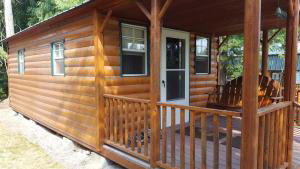
    Want to fly into and Sagle Idaho Pilots Getawayland with your 5 star hotel room with hangar right there?  This warm cozy cabin offers just that.  Cabin has 336 Square Feet with covered porch looking across the runway to your personal hangar.  Murphy bed, full bath, and kitchenette make this the perfect base for all your North Idaho Outdoor Adventures.

     

    Selkirk MLS 20173031

    Sagle Idaho Pilots Getaway

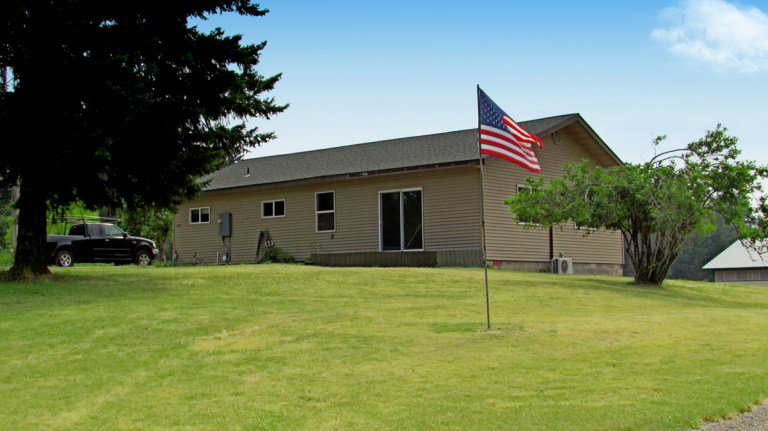
    Frame home is the original home to the Timber Basin Airpark.  Completely remodeled in 2017 with new electric, plumbing, paint, carpet, linoleum.  Surprising large square footage at 1,372.  Large open living room, dining room and kitchen with bathrooms attached to each bedroom.  Maintain this house as your summer getaway, or with addition of cadet heaters, or something similar, turn the home into year round living.

    A hangar is approved to be built across the runway from the home.  42 X 50 maximum footprint allows for plenty of inside room.

    Selkirk MLS 20172777 $189,000.00

    Included with either listing is 1/14 share to Timber Basin Airpark.  2,300 foot runway and plans for pilot lounge.  Airpark owns approximately 80 acres which each membership of Timber Basin Airpark has shared ownership.  Pilots license, whether active or not, is required to purchase at Timber Basin Airpark.

    Take a look at either one of these fantastic opportunities now.  Be ready for the spring and summer months rather than waiting.  Beautiful Lake Pend Oreille Bottle Bay and Garfield Bay only minutes away.  Downtown Sandpoint Idaho just across the Longbridge.

  • Keller Williams Realty #1 – 2017

    Keller Williams Coeur D’ Alene – Sandpoint announced a special meeting recently.  Upon arriving, to the Coeur D’ Alene training room, champagne was being served.  It is official.  Keller Williams Realty #1 in 2017.  All 3 categories.  Agent Count.  Volume.  Units Sold.

    Keller Williams Realty #1

    Keller William’s recent Vision Breakfast, in Coeur D’ Alene was full of excitement for good reason.  New operating principles Dennis and Pam Ranch revealed plans for a new Keller Williams Coeur D’ Alene office building to be completed by March 2019.

    The Coeur D’ Alene – Sandpoint office has moved to the #2 spot in North Idaho market.  This, while being impressive is but a stepping stone to future goals.  #1 in view and sought after with commitment and passion.

    Keller Williams Realty #1

    Coming next week is the Keller Williams Family Reunion 2018.  Being held in Anaheim California, agents from across the country will be there to be educated, given future plans for Keller Williams Realty, and network with one another.

    Keller Williams Realty #1 does not happen by accident.  It is planned with appropriate actions taken to accomplish.  I am grateful to be associated with Keller Williams Realty.  For not only the opportunities made possible, but the education provided, along with a culture that promotes family, personal growth and business to walk hand in hand.

  • Sandpoint City Homes for Sale February 2018 – ‘83864’

    Sandpoint City sits within the zip code of 83864.  A very large area, with so much diversification it is very difficult to give any one single report that is accurate to all that is available in the 83864 area code.  Currently there are 32 Sandpoint City Homes for Sale.  Basic criteria for search results below.

    Criteria, for Selkirk Multiple Listing Search, MLS, is basic.  $750,000 maximum list price.  1 bedroom 1 bath minimum.  Searched as ‘in Sandpoint City’.  Single Family, Condos, Townhouses all included.  The search results do not include ‘For Sale by Owner’ or Coeur D’ Alene MLS results.  The results do show the trend though, that will be consistent without those results added in.

    Sandpoint City Homes for Sale

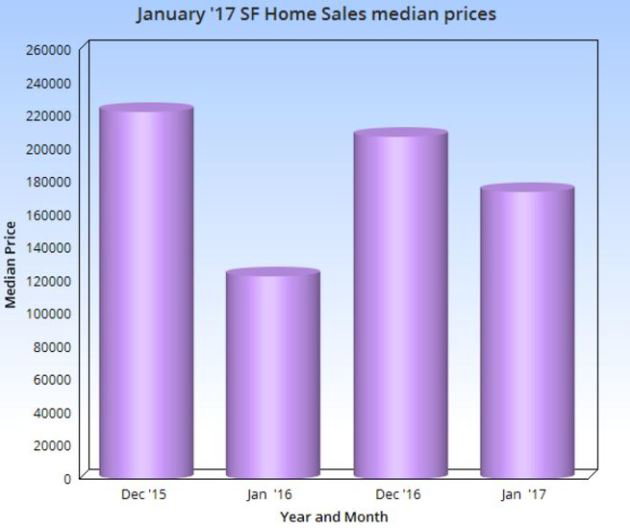
    January 2016 showed 4 homes sold.  Median Price of $153,000.  120 days on market.  January 2017 showed 2 homes sold with a Median Price of $174,500 and 66 days on Market.  An impressive 14Sandpoint City Homes for Sale% increase in ‘Sold’ price for the one year.


    1st quarter 2016 has 20 homes being sold with a median sold price of $209,000.  And 125 days on market.  1st quarter 2017 shows 18 homes sold with modest increase for median sold price of $218,000.  98 days on market.

    January 2018 has me shaking my head.  I went back twice to double check the results, along with active presently available.  8 homes sold.  Double that of 2016 and 4 times as many 2017.  Median sold price of $230,000 with days on market at 122.  An impressive 24% increase in median sold price.  With the 8 homes sold this January, Sandpoint City is easily on track to surpass sales for 1st quarter of both 2016 and 2017.

    Current inventory of 32 with January Sold’s at 8, along with the 122 days on market shows a 4 month inventory.  What is phenomenal is the median listing price at the current time.  $314,450.00.  While not the sold price, it is 44% above the median sold price of 2017’s $218,000.00.  Incredible.

    I do not for see Sandpoint City Home Sales slowing.  I question whether they can sustain, or realize, the jump in market price that is showing between current listing price and even sold’s of just one month ago.  While great for sellers it is putting a strain on buyers and the market in general.

  • North Idaho Winter Snow

    Warmer temperatures have helped clearing of snow from valley floors but only minimally.  And the beautiful scenes are not to be spoiled by only a few days of marginally warmer weather.  The reality to North Idaho winter storms as in any snow state, is that there are two sides to the coin, scales always kept even, or what ever phrase you care to use.  North Idaho Winter Snow brings forth unique serene beauty everywhere, and it also adds work and obstacles for all.

    The above picture showing the harsh cold and at the same time beauty found early morning at Windbag Marina in Sandpoint Idaho.  Docks filled with sailboats, during the summer and fall months, are surrounded by ice and snow as well as deserted. Wind swept Lake Pend Oreille sits empty.  Turning the opposite direction will show Schweitzer Ski Resort to be hidden by low dark ominous clouds.

    In contrast to this beauty North Idaho Winter Snow brings obstacles for all. Difficult driving conditions, additional work, freezing pipes, snow removal of all kinds, roofs for business, or personal being extremely important.  The 2nd picture is at Bonners Mall in Ponderay.  Snow removal for parking being plowed and piled as far out of the way as possible, and yet still obstructing drive ways and parking.

    Yet to a person I am guessing we all agree the beauty far outweighs the inconveniences of the latter.

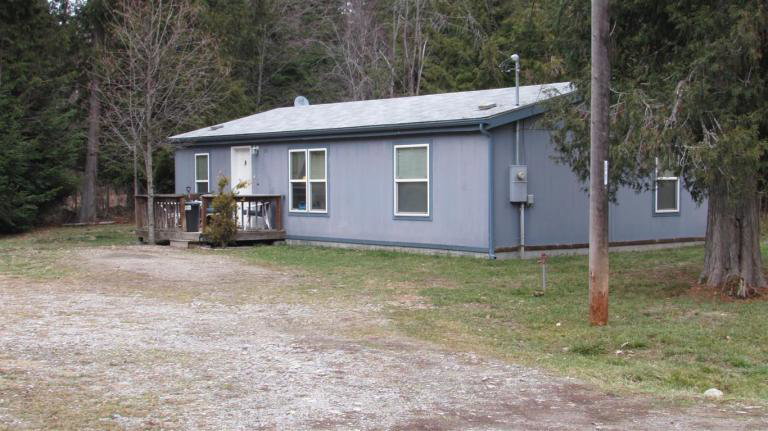
  • Sagle Idaho 3 bedroom Home For Sale – $79,000.00

    While it is argued there are no longer good values to be found in North Idaho housing, this Sagle Idaho 3 bedroom Home For Sale gives proof to just the opposite.  At $82,000 (Improved price as of January 22, 2018 – $79,000) it would be difficult to find rent less expensive,at this time, than the mortgage payment of this home.

    Sagle Idaho 3 bedroom home for sale

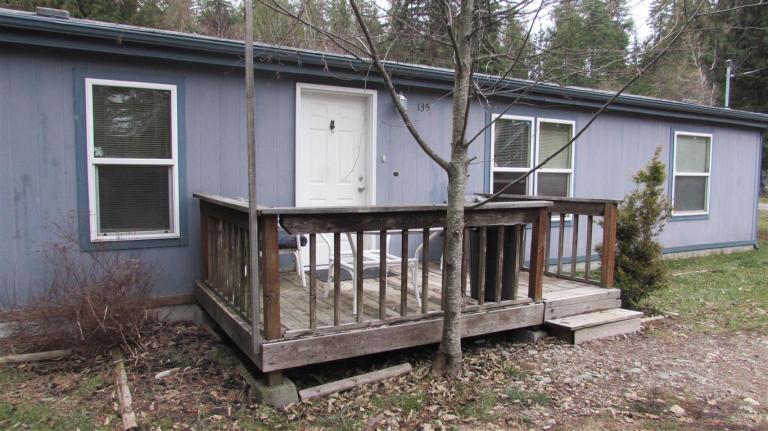
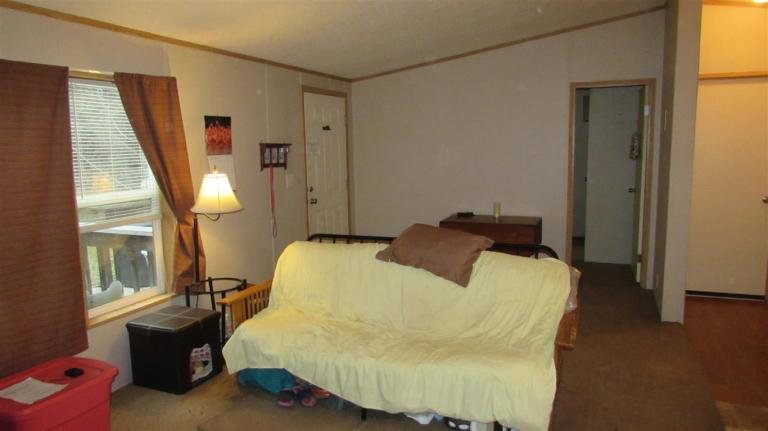
    Three bedrooms, 2 baths, and 1,096 sq. ft.  with community water and private septic.  Real property manufactured home located on .34 acres and less than 9 miles to Highway 95 with either Dufort or Sagle Roads.  Minutes to beautiful Garfield Bay boat launch, marina, camp ground and park.

    Located at 135 Cedar Hill in Sagle Idaho this home and 10X16 storage shed, situated on .34 acres, allows room for garage / shop and or garden area.  2 of the 3 bedrooms separated from the master bedroom and bath by open living area.  User friendly kitchen with plenty of cupboard space and peninsula counter to separate kitchen from living room.  Separate rear entrance combines for mud room and laundry room with washer and dryer.  Small open deck off the main entrance.  Season creek.

    While there are no bells and whistles with this Sagle Idaho 3 bedroom home for sale, it is clean, good bones, ready to move in, and at a price confirming the fact there is a motivated seller.

Share with