Sandpoint Realty Friday Flag extends beyond one of my favorite genres. A short story will explain.
From previous posts, you know I always enjoy seeing a prospective seller proudly flying our Stars & Stripes or spotting the USA Flag while viewing a home with a buyer.
This week’s Friday Flag took that appreciation in a fun and unexpected direction.
While showing homes on the outskirts of Bonners Ferry, Idaho, I spotted a flag flying in the distance, across a field, on an old, weathered-looking barn.
I explained our Friday Flag posts to the couple I was working with and asked if they would mind me stopping to take a few pictures. They liked the idea, and insisted I go back to get the photo featured here.
The fun part came afterward. by them taking it a step further. For the rest of the day, they were pointing out USA Flag photo opportunities themselves!
Being from out of town, they headed home at the end of the weekend. The first text I received from them after arriving home? A photo of a flag proudly flying!
I would say they were officially “all in” on Sandpoint Realty Friday Flag.
And there’s a little more to the story. An offer was written and accepted, and we are now waiting for closing.
It’s always rewarding to help buyers find the right home. When a little something extra, like a shared appreciation for Old Glory, becomes part of the experience, it makes the journey that much more enjoyable.
Experience the Difference working with a full-time professional Sandpoint Realty Realtor® because you deserve someone who understands what matters most.
For many first-time homebuyers, owning a home can seem like something that is always a few years away. Saving for a down payment takes time, and continuing to rent while trying to save can make the goal of homeownership seem even farther out of reach.
But buying your first North Idaho home may not require waiting as long as you think.
There are two decisions within your control that can potentially shorten the timeline considerably, even with today’s affordability challenges. The key is being willing to look at the numbers a little differently.
How Long Does It Really Take To Buy?
First, let’s look at what “breaking even” means when comparing renting with owning.
In simple terms, breaking even is the point at which the cost of owning a home has roughly caught up with what you would have spent renting during that same period. After that point, homeownership begins to make more financial sense than continuing to rent.
Kara Ng, Senior Economist at Zillow, puts it this way:
“Buyers should think about not just when they can afford to buy, but how long they’d need to stay before owning makes more financial sense than renting.”
So, how long can that process take—and what can a first-time buyer do to shorten it?
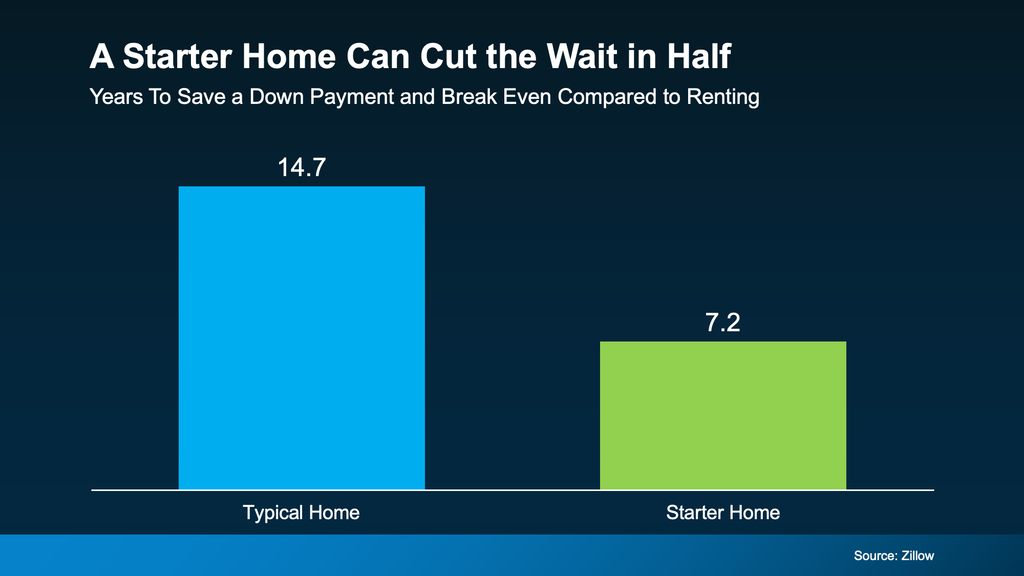
According to Zillow, the typical buyer could spend about 8.5 years saving for a 20% down payment on a mid-priced home, followed by another 6.2 years before reaching the break-even point compared with renting.
That adds up to nearly 15 years.
That number, however, is based on two important assumptions: purchasing a mid-priced home and putting 20% down.
Change either of those assumptions and the timeline can become considerably shorter. Change both, and the difference can be significant.
Of course, the numbers vary from one market to another. Home prices, rents and other housing costs are different across the country—and that includes the North Idaho real estate market.
A Starter Home Could Cut Years From the Timeline
One of the most practical ways to get into your first home sooner is to consider a starter home rather than waiting until you can afford a mid-priced home.
A starter home is generally considered to be in the lower third of home prices in a particular market. Depending on the area, that might mean a condo, townhome or a smaller or somewhat older single-family home. Keeping Current’s related condo and townhome article
The advantage is fairly straightforward: a less expensive home requires less money upfront and potentially less time to save for the purchase.
And the difference can be substantial.
Zillow found that, nationwide, reaching the point where a starter home can be purchased and the buyer comes out ahead compared with renting takes about half the time—approximately 7.2 years, according to the graph below.
That breaks down to about 4.6 years to save for the down payment and another 2.6 years to reach the break-even point.
A starter home obviously does not eliminate every affordability challenge. But it can potentially remove several years from the path to homeownership.
For someone who has already been saving, that shorter timeline could make the difference between continuing to rent for several more years and actually becoming a homeowner.
You May Not Need 20% Down
The second assumption worth reconsidering is the idea that you have to save 20% before buying your first home.
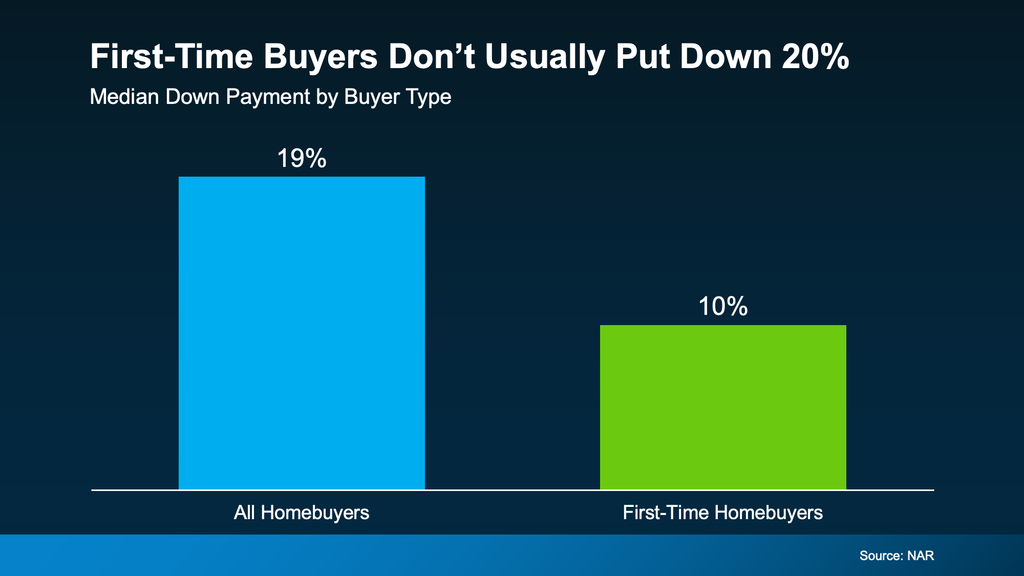
That has been a common belief for years, but it simply isn’t the case for many buyers—particularly first-time homebuyers.
And some mortgage programs require considerably less.
Depending on the buyer and loan program, conventional financing can allow a down payment as low as 3%, while FHA financing can start at 3.5%. Eligible veterans and some buyers purchasing in qualifying rural areas may also have options requiring no down payment.
That means waiting until you have a full 20% saved may not be necessary.
There can also be assistance available to help with the upfront costs of purchasing a home.
Down Payment Resource currently identifies 2,746 homebuyer assistance programs nationwide, and some programs can be combined when the buyer qualifies.
As Down Payment Resource explains:
“Some homebuyers can layer multiple sources of assistance to reduce their upfront costs. Layering means combining more than one eligible source of funding as part of your home purchase.”
For a first-time buyer, those possibilities are worth investigating before automatically assuming that a 20% down payment is the only path to homeownership.
Put The Two Strategies Together
Consider what happens when these two ideas are combined.
Instead of waiting to purchase a mid-priced home, you consider a more affordable starter home.
Instead of waiting years to accumulate 20% down, you explore whether a smaller down payment and available assistance programs could work for your situation.
Neither strategy is right for everyone. But together, they can potentially move the goal of homeownership much closer.
And in a market such as North Idaho, where affordability remains an important consideration for buyers, looking at how you buy can be just as important as deciding when to buy.
Bottom Line
Your first North Idaho home may not be as far away as it feels.
If the numbers work for your individual situation, considering a starter home and exploring financing options that require less than 20% down could potentially put homeownership within reach years sooner than you expected.
The right place to start is with the numbers—not an assumption.
If you’re considering buying your first home in Sandpoint or elsewhere in North Idaho, let’s take a look at what may realistically fit your budget and your plans.
‘Experience the Difference’ working with a full-time professional Sandpoint Realty Realtor® because you deserve someone who understands what matters most.
Sandpoint Realty Friday Flag goes in the opposite direction from September’s final post as we welcome not only October, but the fourth quarter of the year as well.
Last week, we saw our USA Flag in the distance, surrounded by calm water and bright, contrasting fall colors.
This week, in Naples Idaho, the fall color is virtually glowing, with Old Glory proudly shown in the foreground.
We have been enjoying a beautiful fall season here in North Idaho, with more good weather in the forecast.
Experience the Difference working with a full-time professional Sandpoint Realty Realtor® because you deserve someone who understands what matters most.
Why So Many Home Sellers Are Cutting Prices Right Now
Price reductions have become increasingly common in today’s housing market, but what a price cut means can look very different depending on whether you are selling a home or shopping for one.
Sellers may see a reduction as giving up money they hoped to receive. In some cases, that can be true. But in many situations, the issue is simply that the market has changed since the home was originally listed.
Buyers, meanwhile, may assume a home with a reduced price has a problem hiding behind the lower number. That isn’t necessarily the case.
So, what is behind the growing number of price reductions, and what should buyers and sellers understand about them?
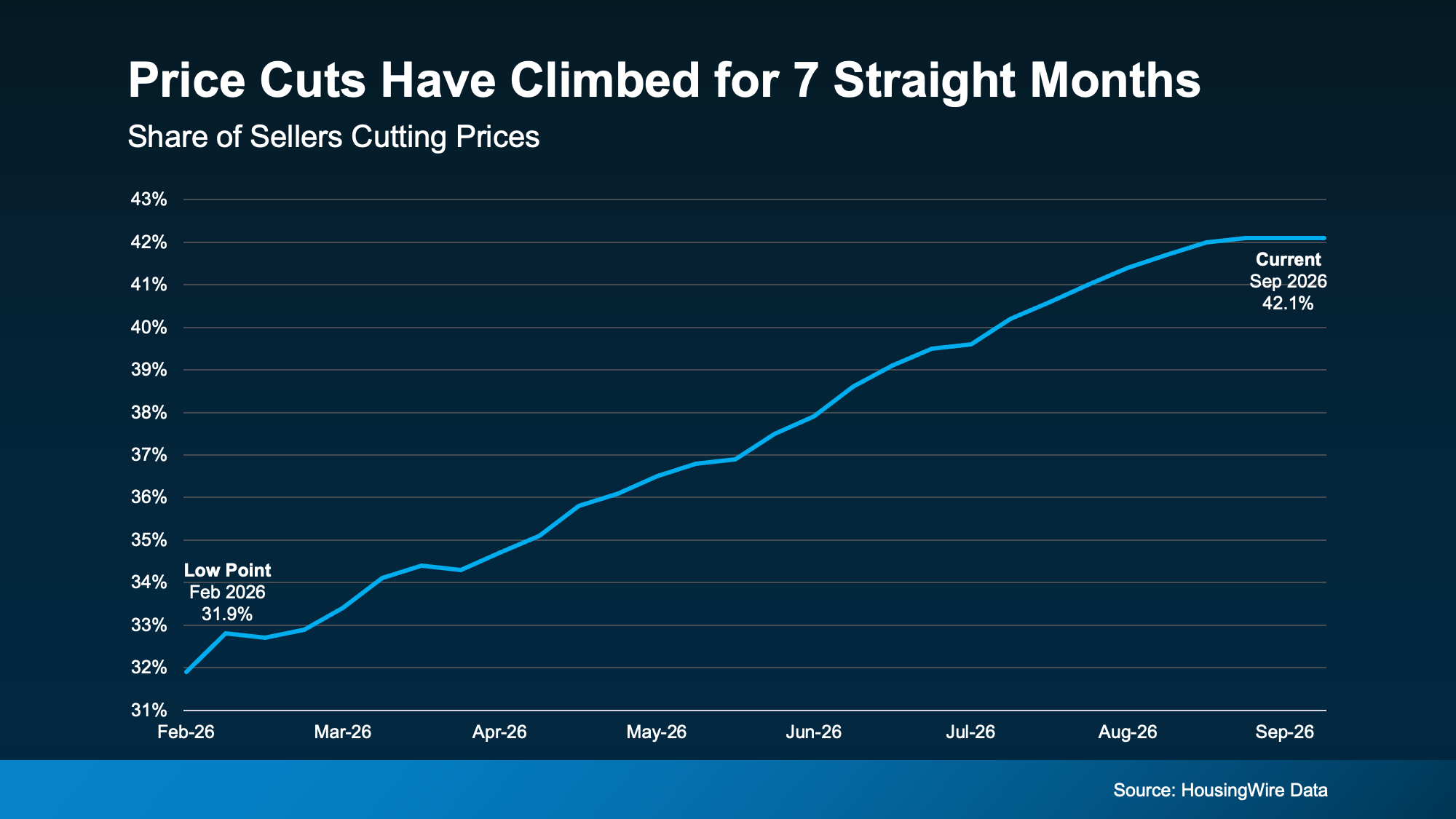
42% of Homes for Sale Have Had a Price Reduction
According to HousingWire Data, the percentage of sellers reducing their asking price has increased for 7 consecutive months (see chart below).
More than 4 out of every 10 active listings have now experienced at least one price cut, with the typical reduction coming in at about $17,560 from the original asking price.
Several factors are contributing to that trend. Mortgage rates remain elevated, while buyers have more homes to consider. That gives buyers more opportunity to wait, compare properties and negotiate before making a decision.
For sellers, that makes accurate pricing from the beginning more important than ever. For buyers, it creates more opportunities to negotiate.
What does that mean for you?
If you’re selling, a price reduction isn’t automatically a warning sign. It is, however, a reminder that pricing correctly from the start matters. The housing market can change quickly, and even a home that was competitively priced when it hit the market can become overpriced a few weeks later. If that happens, adjusting the asking price to reflect current market conditions can bring the property back in line with what today’s buyers are willing to pay.
If you’re buying, don’t automatically assume a reduced price means there is something wrong with the property. With price reductions now affecting more than 4 in 10 active listings, many sellers are simply adjusting their expectations to reflect current market conditions. For buyers dealing with affordability challenges, those adjustments may create additional room for negotiation.
Why Sellers Are Adjusting Asking Prices More Quickly
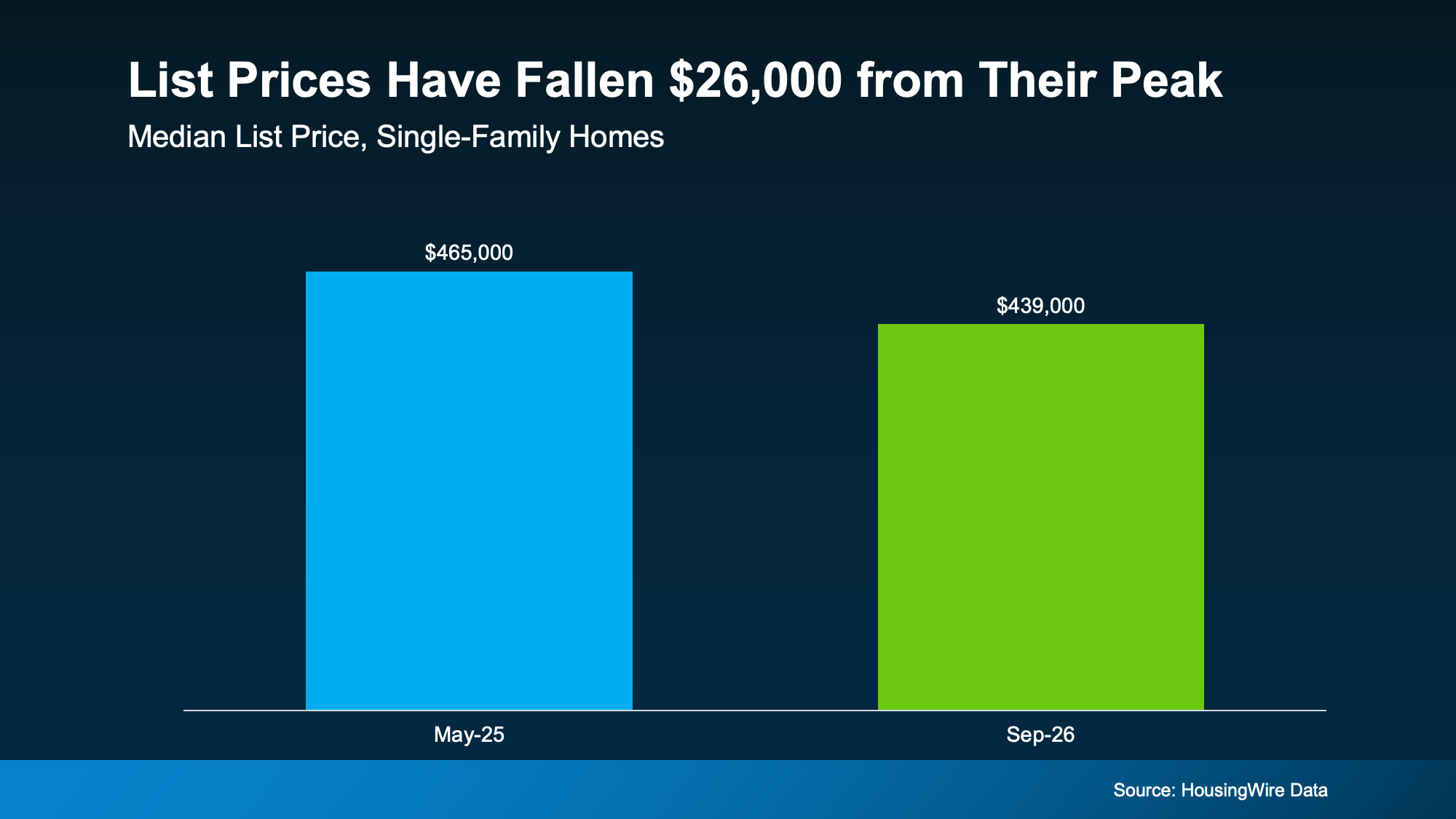
HousingWire Data also shows that national list prices are moving lower. That can indicate sellers are becoming more realistic about pricing rather than starting high and waiting until later to make larger reductions.
National list prices are now about $26,000 below last year’s peak.
There is also a seasonal factor to consider. Asking prices often soften during the winter months before beginning to rise again as the spring market gets underway. That means some additional movement in asking prices could occur before the market turns upward again (see chart below).
Jake Krimmel, Senior Economist at Realtor.com, explains:
“That is good news for buyers, who are seeing lower asking prices and more room to negotiate, but it is also good news for sellers: Pricing to today’s demand is helping homes move and keeping more transactions alive in a high-rate environment.”
The takeaway is fairly straightforward: with mortgage rates still elevated, buyers have limits on how far they can stretch. Sellers who price their homes according to current demand may have a better opportunity to attract buyers than those waiting for yesterday’s prices to return.
And when a price adjustment is necessary, recognizing it sooner can be preferable to allowing a home to sit on the market while the gap between the asking price and buyer expectations grows.
Buyers Have More Room to Negotiate
The balance between buyers and sellers is also changing.
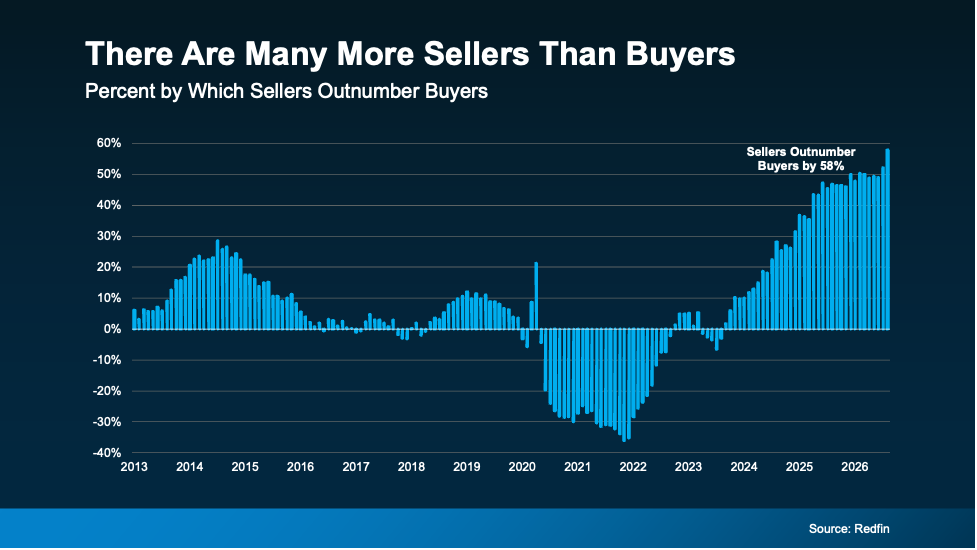
According to Redfin data, sellers now outnumber buyers by about 58%, representing the widest gap on record (see chart below).
That shift changes the negotiating environment and is something homeowners should consider when determining an asking price. Nationally, about 7 in 10 markets now favor buyers or are moving in that direction.
For sellers, getting noticed requires more than simply putting a home on the market. Buyers have more properties to compare, so condition, presentation, pricing and flexibility can all play a role. Offering help with closing costs or being flexible about timing, for example, may make a difference when buyers are comparing similar homes.
For buyers, increased inventory and greater seller competition can provide more opportunities to negotiate. Depending on the property and circumstances, that could include asking for a lower purchase price, requesting help with closing costs, negotiating repairs following an inspection, or combining several of those requests. Homes that have been sitting on the market for several weeks may provide additional opportunities for those conversations.
Bottom Line
Price reductions are becoming a more common part of today’s housing market. For sellers, current conditions make accurate pricing and the ability to respond to changing market conditions especially important. For buyers, more price adjustments and increased seller competition may create additional opportunities to negotiate.
The national numbers provide useful context, but real estate is ultimately local. Let’s take a look at what is happening with home prices and buyer activity in your neighborhood so you can make informed decisions before listing a home or submitting an offer.
‘Experience the Difference’ working with a full-time professional Sandpoint Realty Realtor, because you deserve someone who understands what matters most.
3 Things You Can Actually Control About Your Mortgage Rate Right Now
September 21, 2026·3 min read
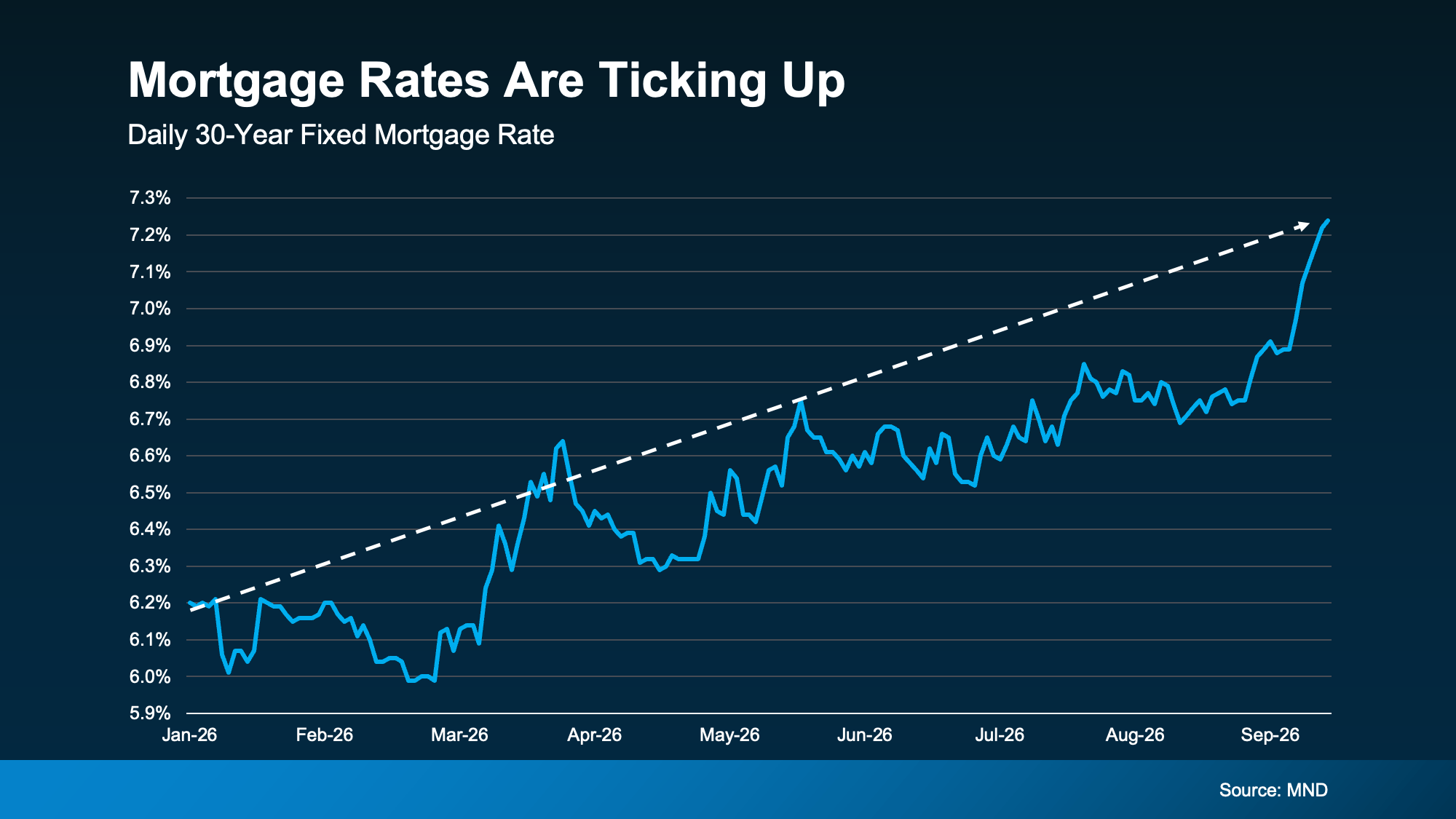
If you’re trying to buy a home, affordability is probably what keeps you up at night. And as you watch mortgage rates tick up again lately, it’s fair to wonder if you should just hit pause and wait for them to go down.
For now, though, they’re headed the other way. Mortgage News Daily data shows how rates have risen this year (see graph below):
And if you’re wondering why? There are actually a number of reasons.
Mortgage rates are impacted by the situation overseas, economic data, inflation numbers, oil prices, and even decisions from the Federal Reserve (who recently decided to hike their Fed Funds Rate – which often affects mortgage rates too). As Danielle Hale, Chief Economist at Realtor.com, explains:
“The pressure on mortgage rates was here even before the Fed rate hike, and it doesn’t show signs of relenting. . .”
Now, that’s probably not what you wanted to hear. But, it doesn’t mean there’s nothing you can do. While you can’t control where rates go from here, you absolutely can control several things that shape the rate you actually get.
So where should you focus? Let’s walk through it.
Work on Your Credit Score
Your credit score plays a big role in the rate you qualify for, and even a small improvement can make a real difference in your monthly payment. As Freddie Mac puts it:
“Generally, the higher your credit score the more options will be available to you, including better loan terms and a lower interest rate.“
So, make sure you do what you can to keep your credit score up. If you’re not sure where your score stands right now, or how to improve it, talk to a trusted loan officer.
Explore Your Loan Options
The type and term of your loan both affect your rate. Conventional, FHA, VA, and USDA loans each come with their own requirements and rates, and your term (15, 20, or 30 years) changes both your payment and the total interest you’ll pay. The structure matters, too. A fixed-rate loan holds the same rate over time, while an adjustable-rate loan usually starts lower and can move later on. Bankrate explains it this way:
“. . . rates on fixed-rate loans are typically higher than introductory rates on adjustable-rate loans because the fixed-rate lender takes on the risk that rates could increase during the loan’s term. Likewise, government-backed FHA, VA and USDA loans sometimes have lower rates because they have a government guarantee or insurance that cuts the lender’s risk.“
It’s important to explore your options with a lender to see what makes the most sense for you. Just be sure to balance your goals, your possible rate, and any potential tradeoffs before making any decision. You may even want to talk to multiple lenders to see how the options vary.
Consider a Newly Built Home
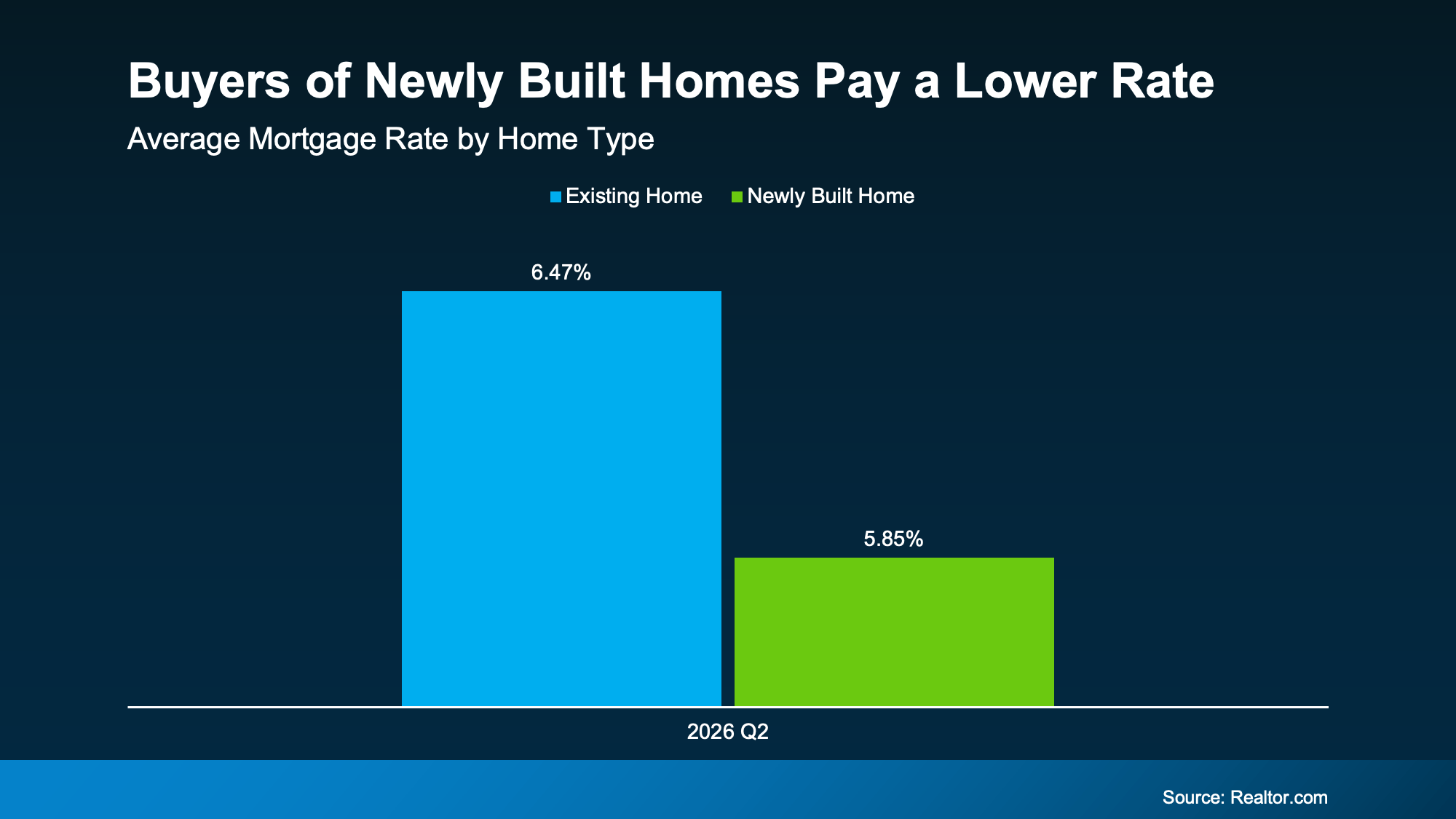
Another path to a lower rate comes down to the kind of home you buy. Many builders are buying down mortgage rates, which lowers your monthly payment. It’s just one way they’re trying to attract buyers and get their homes sold.
According to Realtor.com, buyers of newly built homes landed a lower average rate last quarter than buyers of existing homes (see graph below):
If a lower rate is your goal, it may be worth asking your agent to show you some new build communities that are offering this type of incentive locally.
Bottom Line
You can’t control where mortgage rates go, but you can control your credit, your loan, and the kind of home you buy. Working with a trusted lender can help you lock in the best rate you qualify for. And when you’re ready to make a move that fits your budget, let’s connect.
Experience the Difference working with a full-time professional Sandpoint Realty Realtor, because you deserve someone who understands what matters most.
Sandpoint Idaho Special – As are the clients I have worked with
Whether we’ve recently worked together, or it’s been a while, I’m so grateful for your trust and support this year. Helping people find a place to call home, in North Idaho, is truly at the heart of this work — and it’s something to be thankful for every single day. If anything comes up (big or small) for you or your loved ones, or if you just have a question about the market, reach out anytime and support is just a message away. Wishing you a season filled with comfort, good food, and all the things that make home feel special.
1st Sandpoint Realty ‘Simply Sunday’ helps show the sharp contrasts in colors of the season.
While I certainly enjoy decorating for the different Holidays, Halloween is certainly a double edge sword.
The pumpkin bags are filled with needles and leaves. Those do not hop in the bags themselves…lol. As you can see there is a layer of needles in just one part of the yard that needs be raked and bagged.
Fortunately for me, I enjoy the outside work during the North Idaho fall months. The long shadows, cool but not cold temps, softer sunlight, glimpses of the year past coming to an end. A chance to peacefully reflect, while loosing ones self with the work at hand.
Enjoy the week ahead North Idaho. Be safe, stay healthy!
Thinking about listing your North Idaho home in 2025? If so, you’re smart to start planning ahead. With North Idaho housing inventory rising in many market segments, including Sandpoint-Bonners Ferry-Priest River-Sagle and more, today’s sellers need more than just a “for sale” sign to stand out. 1
The good news? You can still make a strong impression and command top dollar—if you know what today’s buyers are really looking for.
We’ve outlined six of the top homebuyer priorities in 2025, along with a clear action plan to help you position your property for success. Whether you’re weeks or months away from listing, these insights will help you attract serious offers and maximize your return. Even if you don’t plan on selling you North Idaho home in the near future, keeping these items in mind while living there will make the process easier when you do sell, not to mention the increased Idaho living pleasure of a well maintained Sandpoint Idaho area home.
BUYER PRIORITY #1: Move-In-Ready Condition
Buyers want homes that are ready to enjoy from day one. In fact, a recent survey found that 94% of buyers said it was either “very important” or “somewhat important” to buy a home that’s move-in ready.2 Properties that feel fresh and well-maintained are far more likely to attract competitive offers.
Seller Action Plan:
Refresh your interior. This might include painting rooms in neutral, contemporary colors and swapping outdated fixtures for more modern alternatives. We may also recommend that you take down heavy drapery or dated blinds to brighten your space and clean or replace flooring to create a clean and cohesive look.
Fix anything that’s broken. If something isn’t working quite right, repair it now. Provide maintenance records, if you have them, and consider a pre-listing inspection to identify potential issues early—helping avoid delays or negotiations later. We can advise you on the best course of action given your circumstances and your home’s condition.
Strategically enhance kitchens and bathrooms. Modern kitchens and bathrooms are a major selling point for many buyers.3 While you don’t necessarily need a full remodel, smaller updates—like replacing kitchen appliances or retiling a bathroom shower—can make a big difference. At a minimum, ensure all surfaces–-including cabinets, countertops, and floors—are clean and in good condition, and address any grout issues or needed repairs.
Our team can help you identify and prioritize strategic improvements that will maximize your home’s appeal and market value. Contact us for a free evaluation!
BUYER PRIORITY #2: Flexible Closing Timelines
Many of today’s buyers are juggling complicated schedules and circumstances, especially if they need to time the sale of their current home with the purchase of their new one. If you are able to offer a flexible closing timeline, it can deliver an advantage.
Seller Action Plan:
Define your ideal timeline and explore your level of flexibility. We can discuss your goals and expectations for a closing timeline and consider how much flexibility you might be able to offer buyers. This will depend on your specific circumstances, but additional leeway can be helpful.
Make a plan to get out of your home quickly if needed. Some buyers need to move out of their current home quickly or relocate by a certain date to start school or a new job. Therefore, they may require an accelerated closing timeline. These buyers will be particularly interested in finding sellers who are willing and able to accommodate a fast closing. Worried about finding a new home if yours sells quickly? We can help you assess your options.4
Leverage your real estate agent’s negotiation expertise. Closing dates can be tricky to navigate. As experienced professionals, we can help you work through the details to arrive at a mutually beneficial arrangement for you and the buyer.
Trying to figure out a plan for your move? Schedule a free consultation to discuss your specific selling timeline and explore flexible closing options.
BUYER PRIORITY #3: Assistance & Incentives
The high cost of purchasing a home leaves many homebuyers financially tapped out. Offering strategic assistance and incentives can make your property stand out and attract a larger pool of potential purchasers. That’s why, in a recent survey of real estate agents, the majority recommended offering some type of homebuyer incentive.5
Seller Action Plan:
Consider closing cost assistance. Closing costs remain a significant barrier for many homebuyers, especially first-timers or those with limited savings. You might cover some of these expenses—such as mortgage fees or the buyer’s agent commission—using proceeds from the sale6. This type of assistance can make a big difference in helping buyers afford your home.
Evaluate the value of a mortgage rate buydown. Another option popular with buyers is a temporary or permanent mortgage rate buydown.7 This means that you pay a lump sum upfront to reduce their mortgage rate (and their monthly payments), making a home purchase significantly more affordable for buyers.
Offer an improvement allowance or home warranty. For homebuyers who are already stretched financially, the cost of home improvements and repairs can be a big concern. One way to alleviate those concerns is to offer a home improvement allowance. For example, you could offer to pay a set amount toward new kitchen appliances or to replace worn carpeting. Another solution is to offer buyers a one-year home warranty from a reputable provider.
The most effective incentive strategies will depend on your specific property and its target buyers. Our team can help you identify creative and impactful options tailored to your home.
BUYER PRIORITY #4: Curb Appeal
A well-maintained and visually appealing exterior, often referred to as “curb appeal,” is essential for generating interest and bringing buyers in the door. In fact, 97% of Realtors say that curb appeal is important to buyers, and research indicates that properties with strong curb appeal tend to sell faster and for higher prices.8
Seller Action Plan:
Maintain an immaculate exterior. Ensure your landscaping is well-maintained while it’s on the market, with your lawn mowed, hedges trimmed, and flower beds weed-free. If this isn’t your strong suit, invest in a professional service. When it comes to your home itself, a welcoming entrance with a clean, freshly painted front door and updated hardware can make a big difference.
Address visible exterior elements. Inspect and touch up any peeling or faded paint on the siding or trim, and repair or replace any damaged siding or roofing. Check that your walkways and driveway are in good condition and that your outdoor lighting is sufficient and in working order.
Keep things clean. Thoroughly power wash the siding, walkways, driveway, and any other exterior surfaces to remove dirt, grime, and mildew. Clean all windows and screens, both inside and out, to maximize natural light and improve the overall appearance of your home.
We’re happy to offer specific recommendations to enhance your property’s curb appeal and to refer you to landscapers, painters, and other professionals for help.
BUYER PRIORITY #5: Functional Spaces
Today’s buyers often prioritize properties that offer flexible and functional living spaces capable of adapting to their evolving needs, ranging from entertaining to remote work.9 This includes the increasing importance of reliable, high-speed internet connectivity, which has become essential for work and school, smart home technology, and overall modern living.
Seller Action Plan:
Showcase versatile spaces to highlight their adaptability. Stage rooms to demonstrate their potential for various uses, such as a dedicated home office, a guest room that can also serve as a workout space, or a flexible living area that can accommodate a reading nook.
Highlight storage and organization solutions. Functional living isn’t just about primary spaces—it’s also about smart storage. Showcase built-in shelving, closet systems, and other storage solutions that help keep the home organized and clutter-free. This gives buyers a sense of ease and livability.
Keep connectivity in mind. Today’s buyers want high-tech capabilities without sacrificing style.10 High-speed internet access has become increasingly important, and technology features—like home automation systems and built-in charging stations—offer seamless integration while preserving a clean, modern aesthetic. If your home features any coveted technology features, be sure to highlight them.
Our team can help you stage your home to attract more potential buyers. Reach out for our recommendations!
BUYER PRIORITY #6: Energy Efficiency & Sustainability
With rising utility costs and a focus on environmental responsibility and clean living, buyers are looking for homes with eco-friendly features.11 A few small changes can help you make the most of that desire and draw in conscious buyers.
Seller Action Plan:
Incorporate and highlight sustainable materials. Buyers are increasingly drawn to homes that feature eco-conscious design choices. If you’ve used sustainable materials—like bamboo flooring, recycled glass countertops, low-VOC paints, or reclaimed wood accents—make sure to highlight these details. They not only enhance your home’s aesthetic but also signal a thoughtful, environmentally responsible approach to design.
Install energy-efficient features. While it isn’t always cost-effective to add these features solely to sell your home, if you plan on making any upgrades to windows, systems, or appliances, keep energy efficiency in mind. You may also want to consider upgrades like a smart thermostat that can both help cut utility bills and show potential buyers that your home is loaded with the latest technology.
Take steps to reduce energy loss throughout the home. Simple upgrades like sealing gaps around doors and windows, adding weather stripping, or insulating the attic can significantly improve a home’s energy efficiency.12 These improvements may seem small, but they can lower utility bills and demonstrate to buyers that the home has been well maintained with long-term savings in mind.
We can help you identify the most impactful energy-efficient upgrades and highlight your home’s sustainable features to attract today’s eco-conscious buyers.
Partnering for Success: Your Strategic Advantage in Today’s Market
Successfully selling your home in today’s competitive and ever-evolving market requires more than luck—it demands insight, preparation, and expert strategy. By aligning your listing with the priorities of today’s buyers, you’ll position your property to stand out and sell faster for top dollar.
Our team is here to guide you every step of the way. From personalized recommendations and trusted vendor referrals to strategic pricing and marketing, we’re committed to helping you achieve a smooth and profitable sale.
Ready to take the next step? Contact us today for a complimentary home value assessment and customized sales plan designed to make your property shine. Let’s work together to turn your real estate goals into reality!
The above references an opinion and is for informational purposes only. It is not intended to be financial, legal, or tax advice. Consult the appropriate professionals for advice regarding your individual needs.
5 Roadblocks to Affordable North Idaho Homeownership (And Ways to Move Past Them)
Dreaming of a new North Idaho home but feeling priced out? You’re not alone! According to a recent survey by Bankrate, 78% of aspiring homebuyers cite affordability issues as their primary deterrent.1
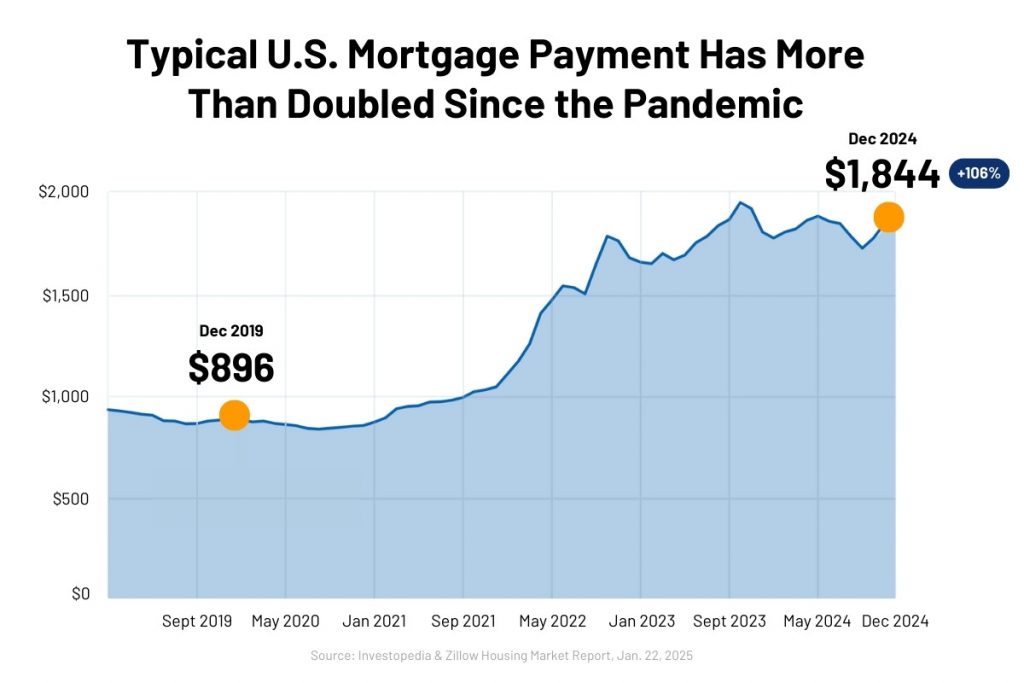
According to data from the U.S. Census Bureau, home prices have risen around 32% since the pandemic, and elevated mortgage rates have caused monthly payments to balloon.2
Despite the challenges homeownership remains a top goal for many Americans. Fortunately, there are ways to turn your dreams of Sandpoint Idaho homeownership into reality! In this guide, we’ll explore five common roadblocks to affordable homeownership and actionable solutions to help you overcome them. Let’s break down those barriers so you can finally get the home of your dreams!
ROADBLOCK #1: I Don’t Have Enough Saved For A Down Payment
Many prospective buyers believe they need a 20% down payment to buy a home. But in reality, most conventional loans require just 3-5%. And, for buyers who qualify, there are a number of programs and mortgage options that can make a home purchase more accessible. Down Payment Assistance Programs (DPAs) DPAs offer grants, loans, and other financial assistance to help with your down payment and closing costs. Many programs are specifically designed for first-time buyers, but there are also options for repeat homebuyers.3,4 These programs can significantly reduce the upfront costs of buying a home. We can help you find down payment assistance programs. Contact us to find out if you may qualify! 0% Down Government-Backed Mortgages If you qualify for certain government-backed mortgages, you may not need to come up with a down payment at all.5 While these loans, offered by the Department of Veterans Affairs (VA) and the United States Department of Agriculture (USDA), are not available to all buyers, they offer numerous benefits, including competitive rates and no down payment requirement.
VA loans are available to U.S. military members, including veterans and surviving spouses.6 They do not require a down payment, though the buyer must pay a fee at closing.
USDA loans are available to moderate to low-income buyers in certain rural areas.7 They do not require a down payment.
Family Gifts Did you know that 25% of first-time buyers in 2024 reported receiving down payment gifts or loans from family members or friends?8 In fact, a growing number of Baby Boomers are choosing to gift all or a portion of their heirs’ inheritance before they pass away.9 Some financial advisors even recommend this as part of their client’s estate plan. Just be sure to follow the proper procedures to document these types of gifts, if you’re fortunate enough to receive them.10 Existing Home Equity Due to record-high real estate gains over the past few years, if you already own a home, you may have more equity than you realize.11 This equity (or difference between your home’s current value and what you owe on your mortgage) could go toward a down payment on a new property. Wondering how much equity you have in your current home? Reach out for a free home value assessment.
ROADBLOCK #2: I Can’t Afford the Monthly Payment
Worried about those monthly mortgage payments? High interest rates and rising costs can make mortgage payments feel daunting. But there are strategies to reduce your monthly burden. Explore Alternative Mortgage Terms The traditional 30-year fixed-rate mortgage isn’t the only kind of loan out there. Options like adjustable-rate mortgages (ARMs) or hybrid mortgages can offer lower initial rates.12, 13 Some buyers opt for these if they plan to sell the home before the initial rate term ends or refinance down the road. A lower mortgage rate can significantly lower your monthly payment. However, it’s important to understand the risks involved so you can weigh the pros and cons before deciding. Consider Discount Points Buying discount points—a process also known as a permanent rate buy-down—is another great way to limit your monthly costs.14 Essentially, this strategy involves prepaying a fee to lower your interest rate across the life of your loan. If a seller is especially motivated, they may be willing to pay for discount points for the buyer to close the deal on a home. In some cases, we can help you negotiate these types of seller concessions. Ask About Seller Financing or an Assumable Mortgage Here are two less common options you might not have considered:15
Seller Financing – The seller acts as the bank, offering you potentially better terms than a traditional mortgage.
Assumable Mortgage – You take over the seller’s existing mortgage with a lower interest rate than what’s currently offered by lenders.
Note that these options may or may not be possible for you depending on the seller, the home, and the type of mortgage, but they are worth exploring—and we can help. Co-Buy with Family or Friends A growing number of homebuyers are returning to multigenerational living or are even buying a home with friends.16 This arrangement enables you to cut costs significantly while sharing both the time and financial responsibilities of homeownership. We can help you search for homes that are well suited for your group. Purchase a Home with Income Potential You can generate extra income to offset your mortgage payments by purchasing a duplex, renting out a room or an accessory dwelling unit (like a garage apartment), or even listing your property on Airbnb. We work with investors and can help you find a property to meet your goals.
ROADBLOCK #3: I Can’t Qualify for a Mortgage
Qualifying for a mortgage can be a stressful process, especially if you have previously faced financial challenges. But you might be pleasantly surprised—there’s a lot you can do to improve your chances of success. Boost Your Credit Score Your credit score is foundational when it comes to getting a mortgage.17 A higher score typically means a lower interest rate and more options. Take steps to improve your credit by paying bills on time, reducing debt, and checking your credit report for errors. Even a small improvement in your score can make a big difference. Pro tip: Avoid opening or closing credit cards or taking out other loans (like car or personal loans) if you plan to start home shopping in the near future. Lower Your Debt-to-Income Ratio Lenders want to see that you can comfortably handle your debts. They assess this by calculating your debt-to-income ratio: your total monthly loan payments (including mortgage, car loans, student loans, and credit cards) divided by your gross monthly salary.18 Paying down other types of debt, like your car loan, will leave more space in your budget for a monthly mortgage payment. Apply for an FHA Loan FHA loans are designed for buyers with less access to savings, as well as those with lower credit scores.19 Down payments on FHA mortgages can be as low as 3.5% with a credit score of 580 or above, or 10% with a credit score of 500 or above. Generally, the buyer’s debt-to-income ratio must be below 43%, with no more than 31% of income going to mortgage payments. These loans do come with some additional requirements, such as mortgage insurance (including an upfront premium of 1.75% at closing), a pre-purchase inspection, and borrowing limits that vary based on geographic area. Consider Getting a Co-Signer Having a co-signer with a stronger credit history or more income can strengthen your application, but make sure you (and they) understand the risks and responsibilities involved.
ROADBLOCK #4: I Can’t Find a Home in My Price Range
Feeling frustrated by the lack of affordable homes on the market? Unfortunately, this is a common problem.20 But with a little flexibility and guidance, it’s possible to find a great property to fit most budgets. Expand Your Home Search You may need to search outside your target area. In many markets, home prices vary drastically within the span of miles.21 Being open to exploring alternative neighborhoods or those farther from town can open up surprising possibilities. As local market experts, we can help you discover hidden gems and up-and-coming neighborhoods. Reach out for a complimentary consultation. Revisit Your Must-Haves Take a close look at your “must-have” list. Are there any features you can compromise on to expand your options and find a more affordable property? For example, do you really need two bathrooms, or could you settle for a single bathroom with space to add a second one in the future? These types of compromises can sometimes shave tens of thousands off your purchase price. We’re happy to offer our thoughts on the features that you’re likely to find within your budget. Consider Fixer-Uppers Looking to cut purchase costs? Don’t shy away from homes that need a little TLC.22 Fixer-uppers usually come with a lower price tag, and you can personalize the renovations to your taste. Just be sure to factor in the cost of repairs and renovations when determining your budget—and to be realistic about your own home repair skills! If you’re interested in exploring fixer-upper opportunities, we can help you identify properties with potential and connect you with reliable contractors.
ROADBLOCK #5: I’m Overwhelmed by the Process
Buying a home can feel like navigating a maze. Between searching for properties, securing financing, negotiating contracts, and handling paperwork, the process can quickly become overwhelming. But you don’t have to do it alone! We can simplify every step, helping you stay organized, informed, and confident in your decisions. Find the Right Home Faster The sheer number of listings on the market can be daunting, and homes that meet your criteria may not always be easy to find. Our team can:
Save you time by narrowing down homes that fit your budget, needs, and lifestyle.
Get you access to off-market and pre-listing properties that aren’t widely advertised.
Provide insights on local market trends to help you make a competitive offer.
Navigate Financing & Paperwork With Ease Real estate transactions involve complex contracts, legal documents, and lender requirements. One misstep could delay your purchase—or even cost you your dream home. We will:
Help you find down payment assistance or grants that you may not be aware of.
Explain mortgage options and connect you with reputable lenders.
Ensure all purchase documents are accurate and deadlines are met.
Score the Best Deal Many buyers worry about overpaying for a home or getting stuck with costly repairs, but we know how to:
Use expert negotiation tactics to secure the best possible price.
Identify hidden costs so you aren’t caught off guard at closing.
Negotiate repairs or seller concessions to save you money.
Streamline Inspections & Closing The home inspection and closing process can bring last-minute surprises. We avoid these by:
Helping you interpret inspection reports and advising on necessary repairs.
Coordinating with lenders, appraisers, and title companies to keep everything on track.
Preparing you for closing day so you know exactly what to expect.
Benefit From Ongoing Support Our relationship doesn’t end once you get the keys. We always go the extra mile to:
Recommend trusted contractors for renovations and repairs.
Help you make strategic upgrades through complimentary real estate consultations.
Provide market updates in case you want to refinance or sell later.
The bottom line? You don’t have to navigate this process alone. When you work with us, you’ll have a trusted partner to handle the complexities, answer your questions, and ensure everything goes smoothly from start to finish.
LET’S TURN ROADBLOCKS INTO STEPPING STONES TOWARD YOUR DREAM HOME
Buying a home may come with challenges, but none of them are impossible to overcome. With the right strategies, resources, and expert guidance, you can navigate these obstacles with ease.
Whether you’re worried about saving for a down payment, qualifying for a mortgage, or finding the right home in your price range, there are solutions available to help you move forward. The key is to stay informed, explore all your options, and work with professionals who can guide you every step of the way.
Our team is here to help you find the right home, secure the best financing, and negotiate the best deal—without the stress and uncertainty of doing it all yourself. Let’s turn your homeownership dreams into reality. Contact us today to get started!
The above references an opinion and is for informational purposes only. It is not intended to be financial, legal, or tax advice. Consult the appropriate professionals for advice regarding your individual needs.
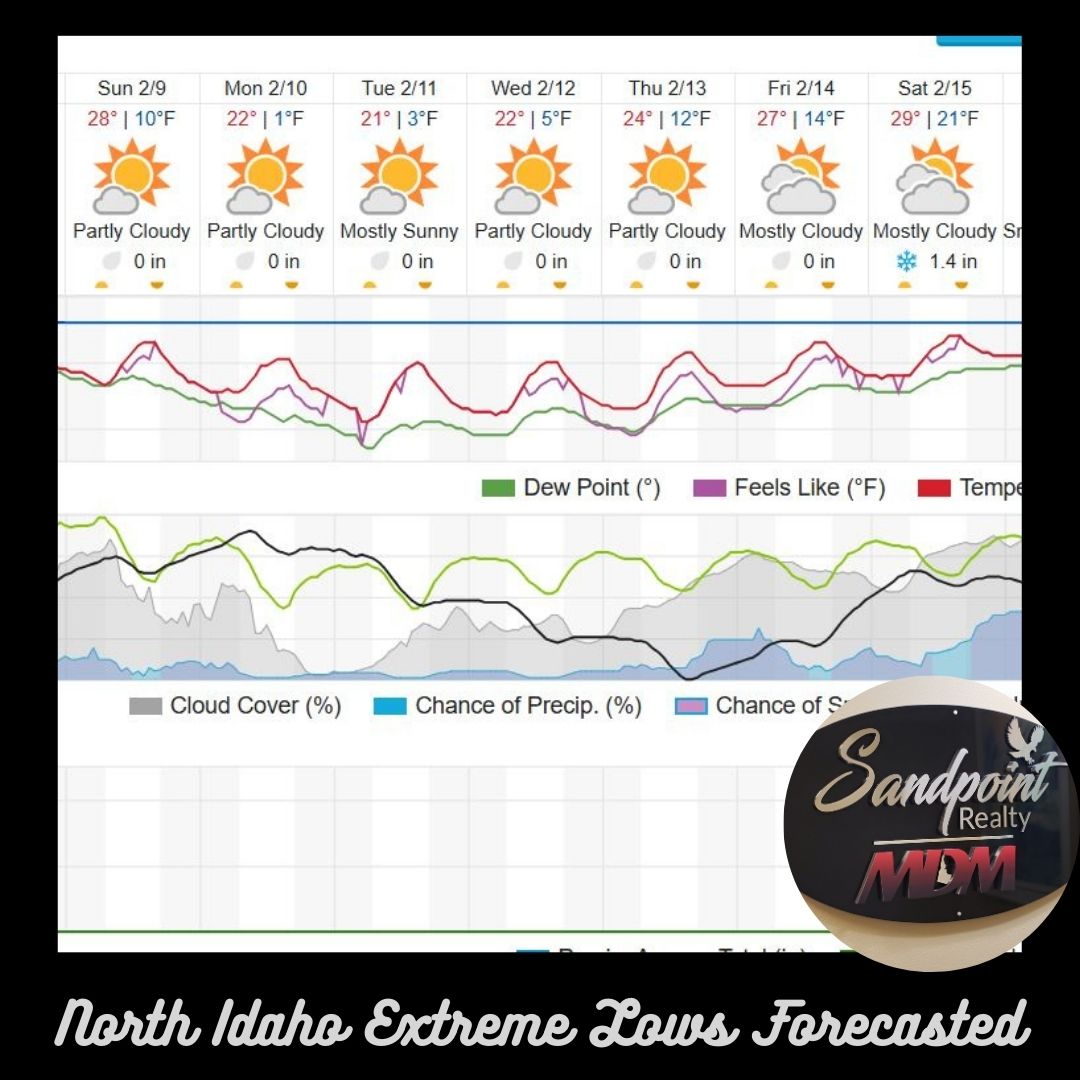
North Idaho is forecasted for extreme low temps this coming week after Super Bowl Sunday. Wunderground Weather is the service I have come to most trust with their predictions. As unpredictable as the weather may be.
What we should be concerned about and very cognizant of, is the 5 to 6 days of not going above freezing temperatures in North Idaho. This means, should your pipes freeze during the extreme lows at night, the day temperatures never help in unfreezing the pipes. The freezing pipes with the temps remaining below freezing only grow more difficult to thaw.
Being aware of this possible issue solves the ugly possibility of frozen water pipes. Simply having a drip of water, be sure both hot and cold dripping, at every faucet keeps the water moving enough to keep from freezing. I personally feel more comfortable when in single digits keeping it at a steady dribble rather than a drip. Also with the single digits I will open cabinet doors to allow heat into other wise cooler areas.
Make it a safe winter in North Idaho. Be aware of your surroundings and how best to prepare for these type of temperatures. Be safe, stay healthy.








 BLOG