Why So Many Home Sellers Are Cutting Prices Right Now
Price reductions have become increasingly common in today’s housing market, but what a price cut means can look very different depending on whether you are selling a home or shopping for one.
Sellers may see a reduction as giving up money they hoped to receive. In some cases, that can be true. But in many situations, the issue is simply that the market has changed since the home was originally listed.
Buyers, meanwhile, may assume a home with a reduced price has a problem hiding behind the lower number. That isn’t necessarily the case.
So, what is behind the growing number of price reductions, and what should buyers and sellers understand about them?
42% of Homes for Sale Have Had a Price Reduction
According to HousingWire Data, the percentage of sellers reducing their asking price has increased for 7 consecutive months (see chart below).
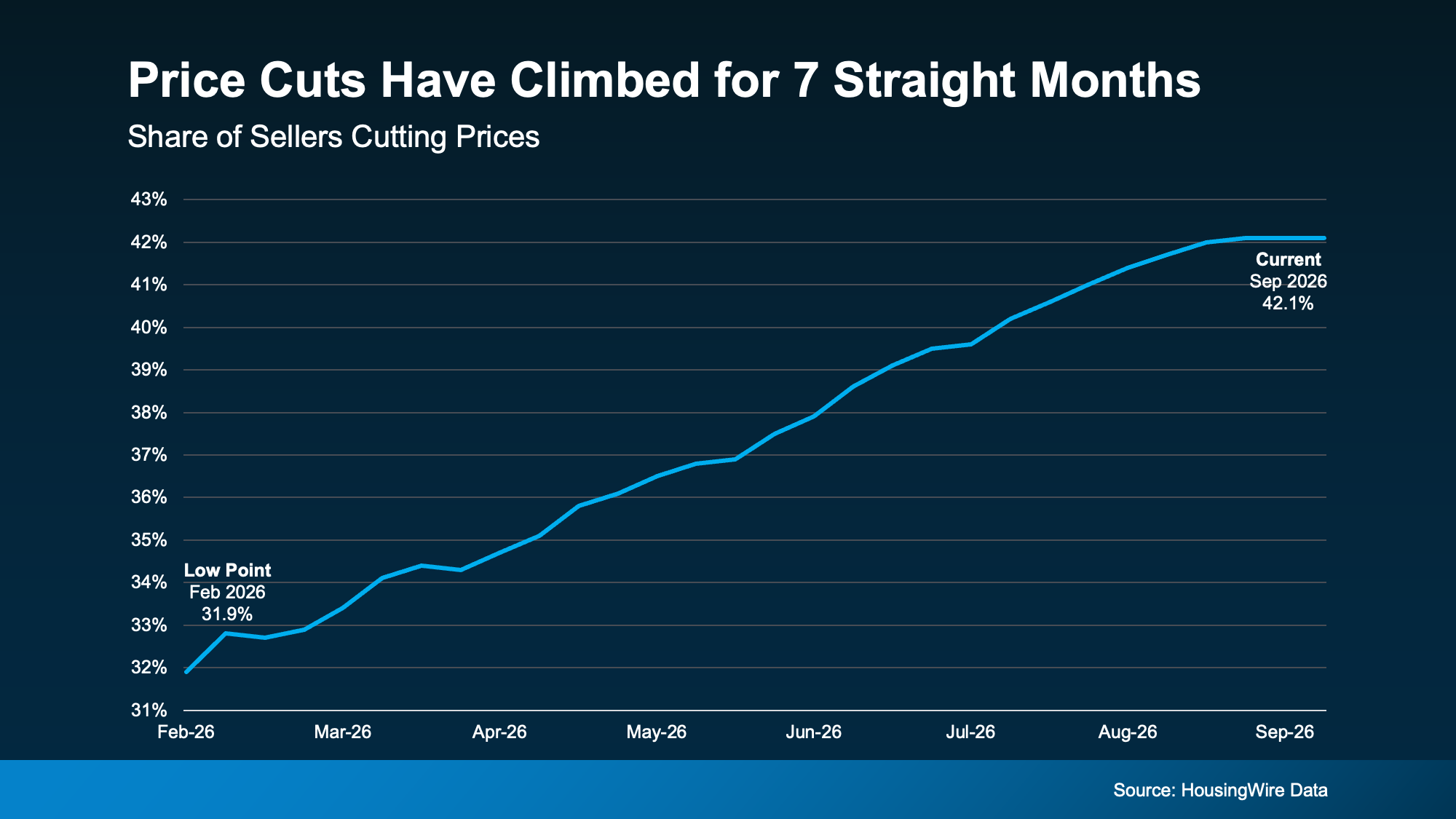
More than 4 out of every 10 active listings have now experienced at least one price cut, with the typical reduction coming in at about $17,560 from the original asking price.
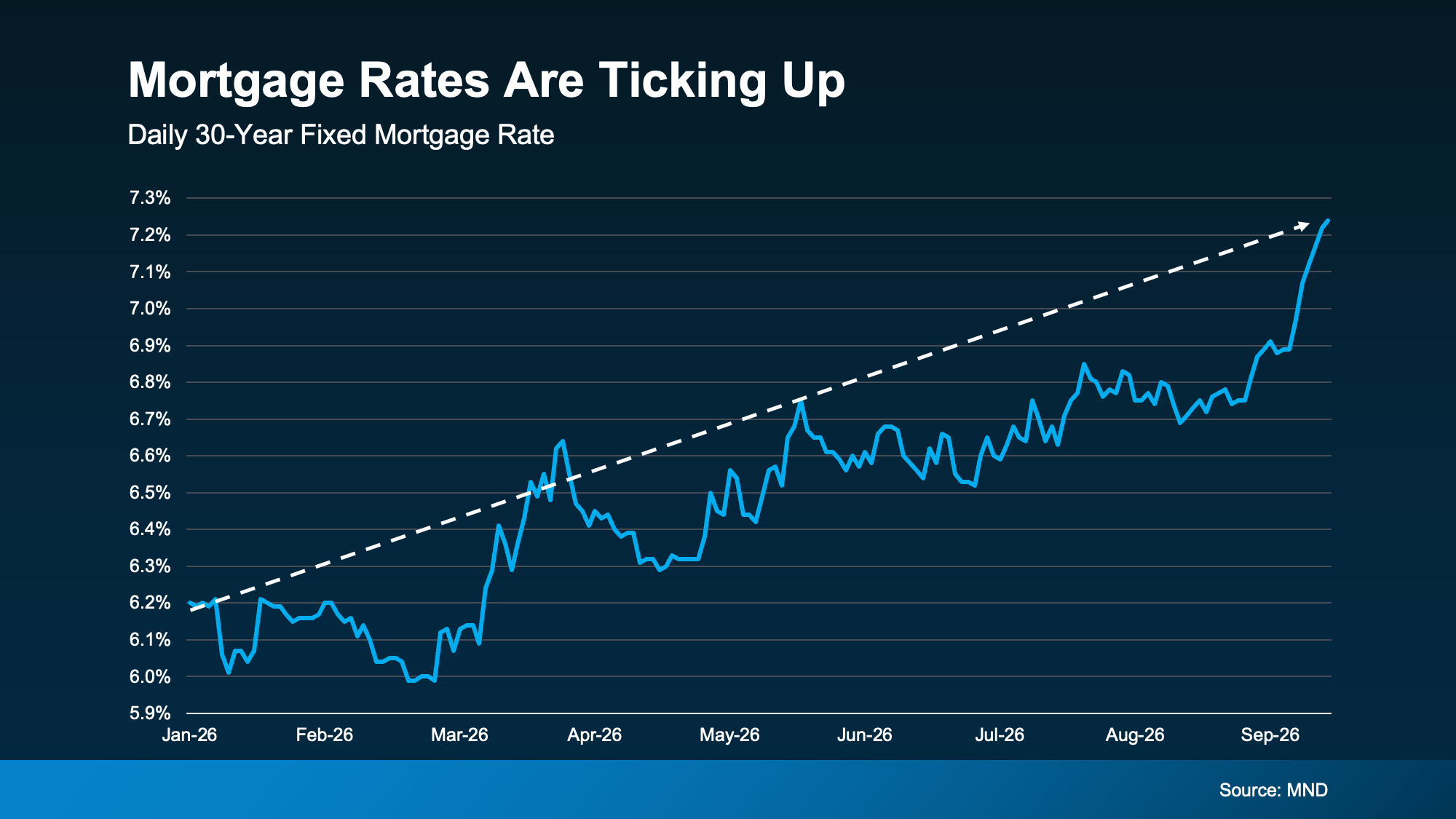
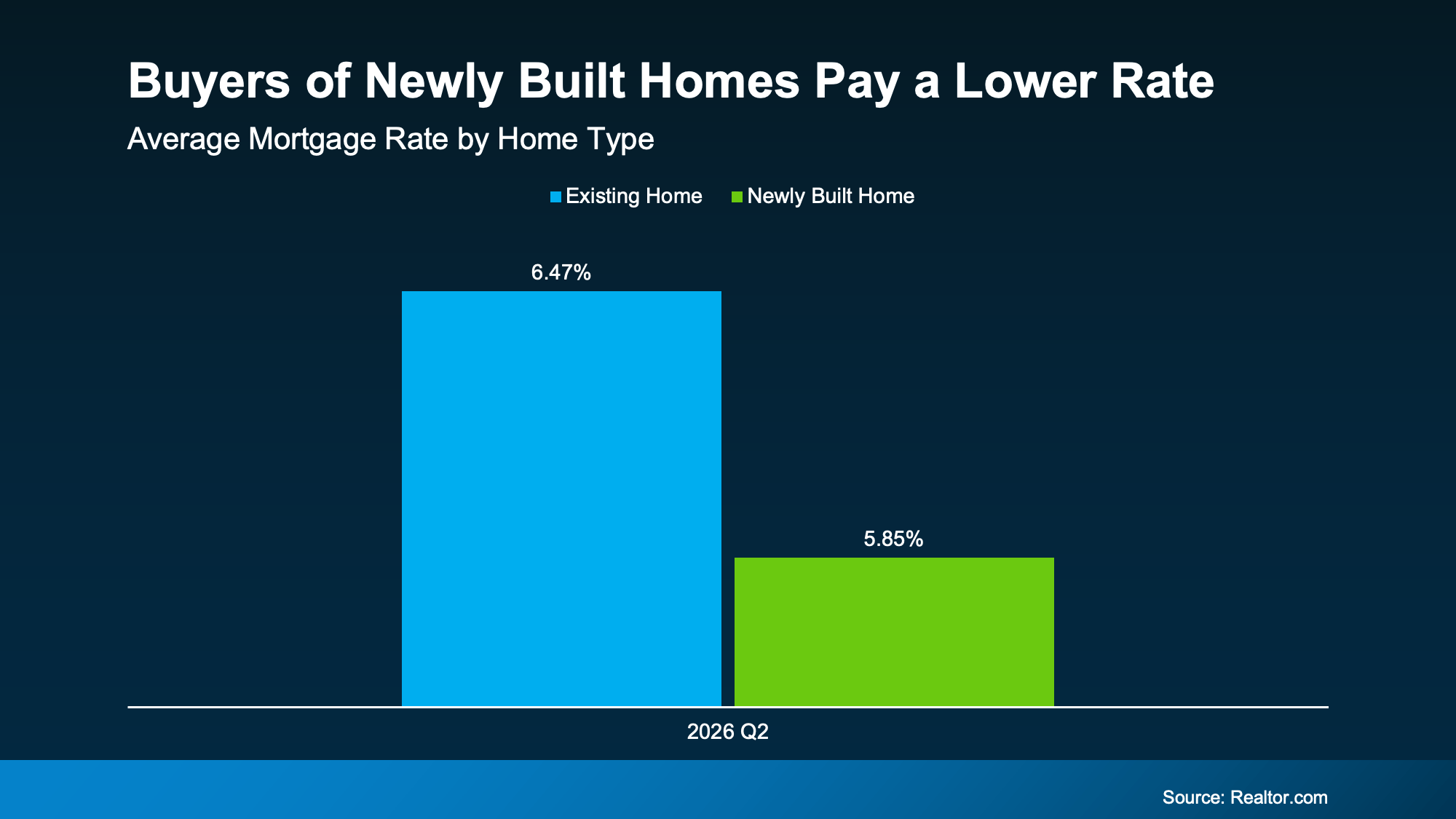
Several factors are contributing to that trend. Mortgage rates remain elevated, while buyers have more homes to consider. That gives buyers more opportunity to wait, compare properties and negotiate before making a decision.
For sellers, that makes accurate pricing from the beginning more important than ever. For buyers, it creates more opportunities to negotiate.
What does that mean for you?
- If you’re selling, a price reduction isn’t automatically a warning sign. It is, however, a reminder that pricing correctly from the start matters. The housing market can change quickly, and even a home that was competitively priced when it hit the market can become overpriced a few weeks later. If that happens, adjusting the asking price to reflect current market conditions can bring the property back in line with what today’s buyers are willing to pay.
- If you’re buying, don’t automatically assume a reduced price means there is something wrong with the property. With price reductions now affecting more than 4 in 10 active listings, many sellers are simply adjusting their expectations to reflect current market conditions. For buyers dealing with affordability challenges, those adjustments may create additional room for negotiation.
Why Sellers Are Adjusting Asking Prices More Quickly
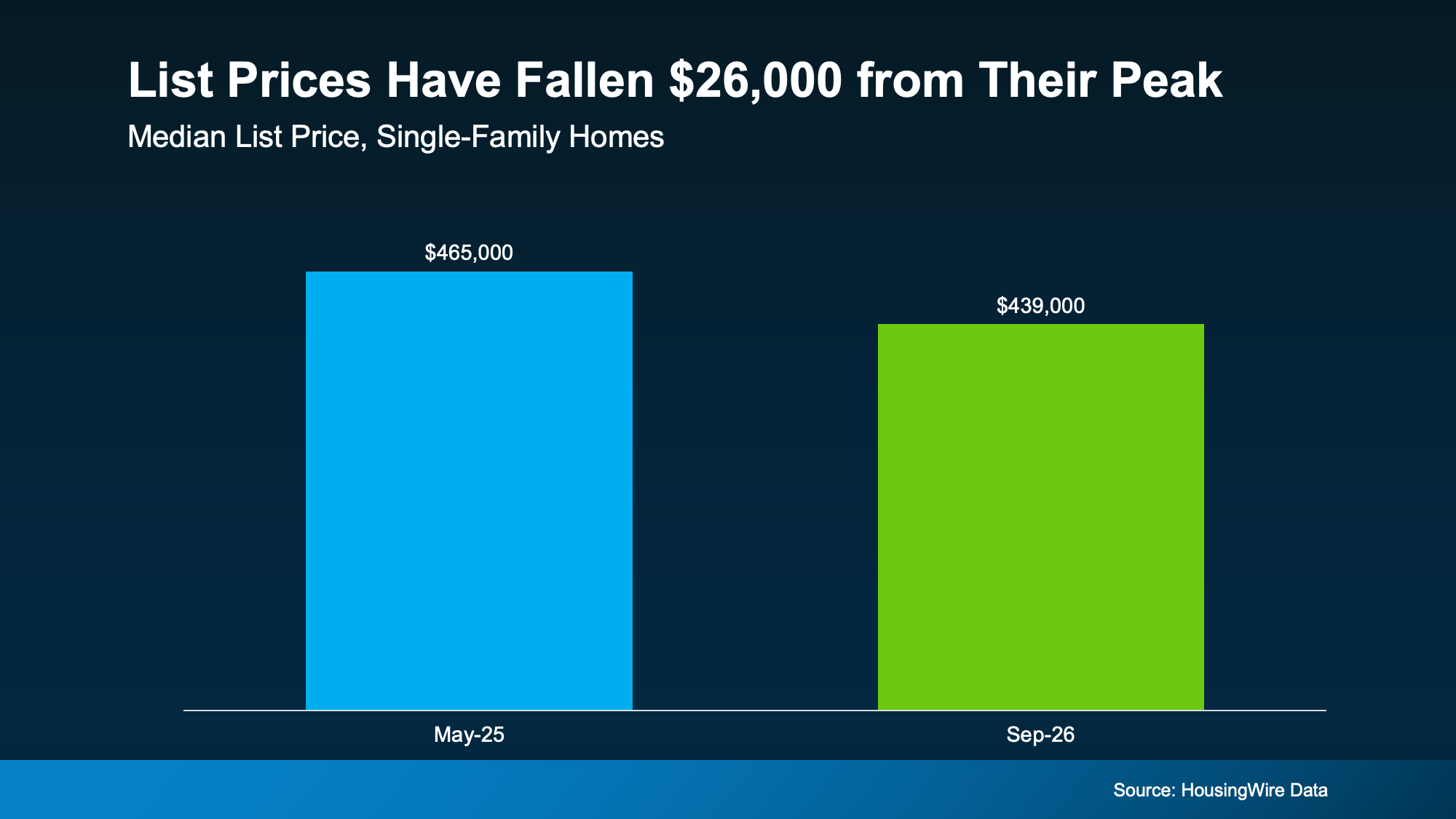
HousingWire Data also shows that national list prices are moving lower. That can indicate sellers are becoming more realistic about pricing rather than starting high and waiting until later to make larger reductions.
National list prices are now about $26,000 below last year’s peak.
There is also a seasonal factor to consider. Asking prices often soften during the winter months before beginning to rise again as the spring market gets underway. That means some additional movement in asking prices could occur before the market turns upward again (see chart below).
Jake Krimmel, Senior Economist at Realtor.com, explains:
“That is good news for buyers, who are seeing lower asking prices and more room to negotiate, but it is also good news for sellers: Pricing to today’s demand is helping homes move and keeping more transactions alive in a high-rate environment.”
The takeaway is fairly straightforward: with mortgage rates still elevated, buyers have limits on how far they can stretch. Sellers who price their homes according to current demand may have a better opportunity to attract buyers than those waiting for yesterday’s prices to return.
And when a price adjustment is necessary, recognizing it sooner can be preferable to allowing a home to sit on the market while the gap between the asking price and buyer expectations grows.
Buyers Have More Room to Negotiate
The balance between buyers and sellers is also changing.
According to Redfin data, sellers now outnumber buyers by about 58%, representing the widest gap on record (see chart below).
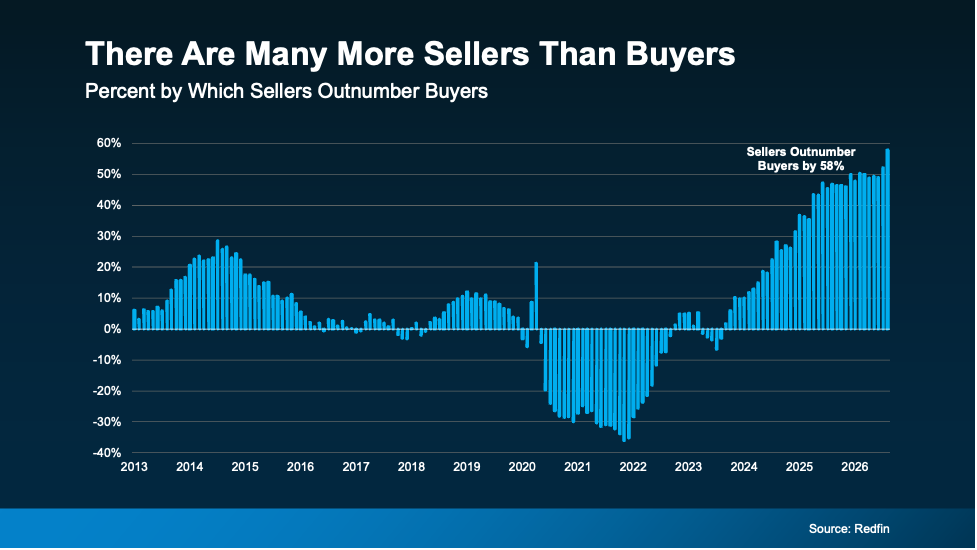
That shift changes the negotiating environment and is something homeowners should consider when determining an asking price. Nationally, about 7 in 10 markets now favor buyers or are moving in that direction.
- For sellers, getting noticed requires more than simply putting a home on the market. Buyers have more properties to compare, so condition, presentation, pricing and flexibility can all play a role. Offering help with closing costs or being flexible about timing, for example, may make a difference when buyers are comparing similar homes.
- For buyers, increased inventory and greater seller competition can provide more opportunities to negotiate. Depending on the property and circumstances, that could include asking for a lower purchase price, requesting help with closing costs, negotiating repairs following an inspection, or combining several of those requests. Homes that have been sitting on the market for several weeks may provide additional opportunities for those conversations.
Bottom Line
Price reductions are becoming a more common part of today’s housing market. For sellers, current conditions make accurate pricing and the ability to respond to changing market conditions especially important. For buyers, more price adjustments and increased seller competition may create additional opportunities to negotiate.
The national numbers provide useful context, but real estate is ultimately local. Let’s take a look at what is happening with home prices and buyer activity in your neighborhood so you can make informed decisions before listing a home or submitting an offer.

 BLOG
BLOG