Category: Uncategorized

  • Off Grid Self Sustainable Home for Sale – Priest River Idaho

    Off Grid Self Sustainable Home for Sale –

    Priest River Idaho

    Off Grid Self Sustainable Home for Sale


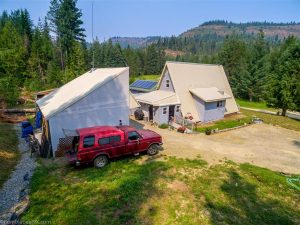
    Looking for quiet, peaceful home on acreage and still close to town?  This Priest River Idaho home has what you are searching for plus the added bonus of being an off grid self sustainable home for sale on 10 acres.

    Off Grid Self Sustainable Home for SaleWood accented chalet style open living area, with free standing wood stove comprises the focal point of this charming home.  Windows and door to the front porch and views of the mountains beyond.  Kitchen peninsula, with bar stool seating, separate the two areas.

    off grid self sustainable home for saleMain floor living with living room, dining area, kitchen, master bedroom with walk in closet, and master bath with garden tub, along with utility room all on main floor.  Step upstairs to the 2nd bedroom, which can easily be turned in the 2nd and 3rd bedrooms.  Plus a separate reading area or office upstairs.

    off grid self sustainable home for saleKitchen does not feel ‘Off Grid’.  Current owners have large fridge and newer gas burner over/range along with a dishwasher.  Large walk in pantry.  Open beams and window over the sink adding to the already wonderful ambiance.

    Master bath gives the choice of a garden tub soak or shower.  Walk in closet along and master bedroom all grouped together.  Both morning and evening light grace the bedroom with plenty of windows all around.

    off grid self sustainable home for salePlenty of outbuildings with a wood working shop a short distance from the covered rear porch main entrance.  Storage above the shop area makes this perfect for hobbies, crafts or maybe something else you have in mind. Free standing wood stove makes for plenty of heat no matter the weather outside.  Garden shed and wood shed close by as well.

    A deep natural pond sits adjacent to the fenced garden area.  Both in ground planting and raised garden boxes inside the fenced area.

    The list goes on of special items to be found with this off grid self sustainable home for sale.  One must see to appreciate all it has to offer.
    off grid self sustainable home for sale

    Experience the Difference Living In North Idaho will make.  Contact me as your local North Idaho Real Estate resource.

    Selkirk MLS #20182994   –   $268,000.00
  • How Much Is My Home Worth in Sandpoint, Idaho

    How Much is your home worth in Sandpoint, Idaho?  If you are planning on selling your home, that is a question you need answered.  As your Local Sandpoint Real Estate Expert, I can help you to learn the answer to that question.  I will personally do the research on your behalf and provide you with a detailed Free Market Analysis.  Please feel free to take a few moments to complete the basic information below and I will go straight to work for you.  Or, if you prefer, please feel free to give me a call directly at 208-255-6227.

    See: Homes for Sale in Sandpoint, Idaho

    FOR A COMPLETE MARKET ANALYSIS FORM: CLICK HERE (link to Free Market Analysis)
    IMAGE OF A HOME

  • Have You Ever Considered Purchasing a Home in Sandpoint, Idaho

    Have you ever considered moving to beautiful Sandpoint, Idaho?  Sandpoint is a desirable community & great location.  Sandpoint, Idaho boasts a variety of local landmarks, excellent schools, parks and much much more.  Take a look at some of the most popular searches in Sandpoint, Idaho and the surrounding areas.

    See: Homes for Sale in Sandpoint, Idaho

    Not quite the location that you are looking for?  That is okay.  Through my website you can search for the exact home you are looking for in the exact city, county or community you are looking for.  Search for your perfect home, in the perfect location by taking advantage of my Advanced Search tool built directly into this website.

  • Find Your Dream Home in Sandpoint, Idaho

    There are so many different kinds of homes out there for families to choose from.  Do I want to live in Sandpoint?  Or maybe you want to find a home in Sandpoint.  How many bedrooms and bathrooms do you need?  Do you need a large back yard?  A small backyard?  Do I even need, or want, a yard at all?  Don’t even get me started on the front yard and curb appeal.  Hardwood floors, tile, carpet.  There are so many things to consider when looking for your dream home.  How, then, do you find the right home for you?

    The answer is to put me to work for you.  That is what I do for my clients.  Completing my basic Dream Home Finder I can immediately go to work for you.  Of course you can take advantage of my Quick Search and my Advanced Search tools to surf through all the homes for sale in Sandpoint, Idaho or the surrounding areas.  By completing the Dream Home Finder, I can use additional resources at my disposal to locate homes for sale that may not be available in the public view.  In addition you are a busy individual and my passion is to work for you to find that dream home and schedule tours for you.  By working together as a team with your dreams and my resources, finding that dream home is only one tour away.  It is my passion to find you that one right tour.

  • North Idaho and Sandpoint ‘Ice Dams’

    Sandpoint ‘Ice dams’ are not specific to Sandpoint Idaho and surrounding North Idaho areas. Any cold weather states susceptible. The weather this season thus far has proven to be excellent for the forming of ‘ice damns’. While the name may sound cool, the damage that can be done to a home is not.
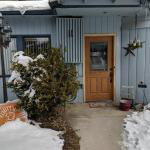
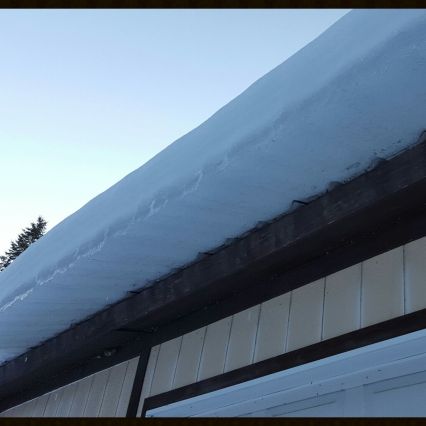
    Ice Dams are those formations of ice at the edge of roofs.  Yes those wonderful ice cycles we all enjoy looking at are tell tale signs of ice dams and possible damage, many times serious, secretly happening without our knowledge until too late.

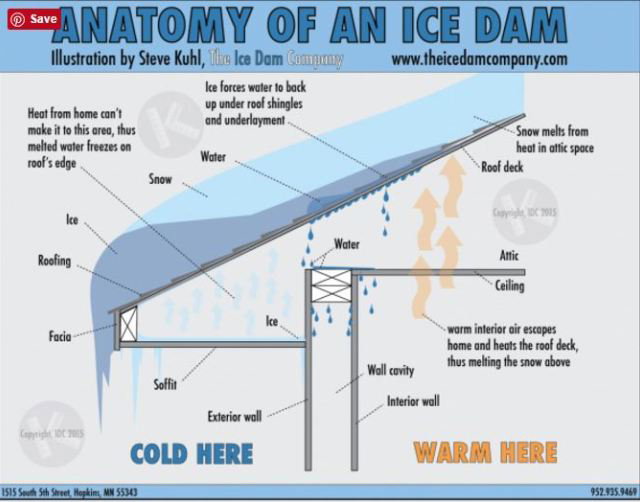
    For excellent information on ice damns and possible damage and tips for removal I suggest going to http://www.icedamcompany.com/about-ice-dams/ based out of Minnesota.  The diagram below, from the Ice Damn Company is excellent in showing exactly what is happening behind the ice we see.

    Sandpoint 'Ice Dams' no different

    illustration Courtesy Ice Damn Company – MN.

    So next time you are enjoying one of those Sandpoint ‘Ice Dams’,  realize the damage that may be lurking behind the beauty of a simple ice cycle !

  • Bonners Ferry Idaho Home for Sale – 4 bedroom 2 bath

    Lovely nostalgic in town Bonners Ferry Home for sale with end of road privacy.  This charming 4 bedroom, plus 5th non conforming, and 2 baths home has 1,822 sq. ft.,  and sits at end of the road on a double lot totaling .35 acres.  Close to all Bonners Ferry amenities, this is a home very much worth looking at.
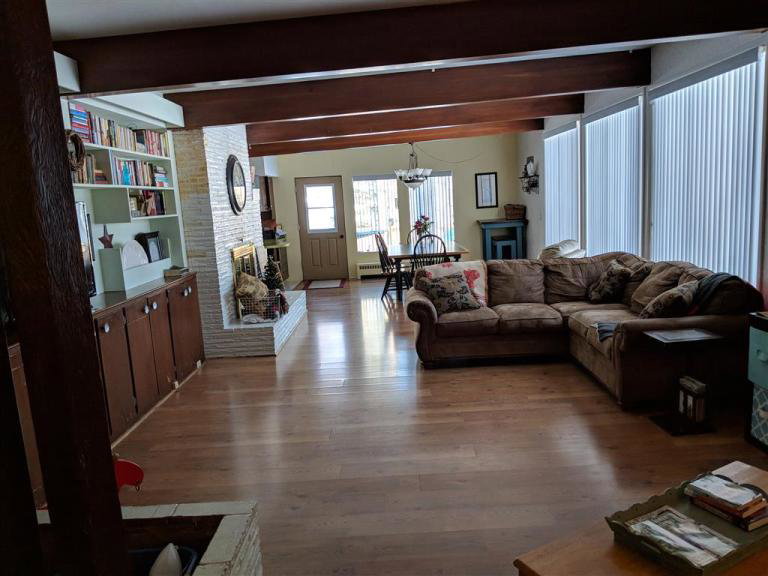
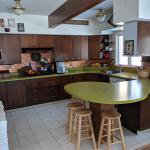
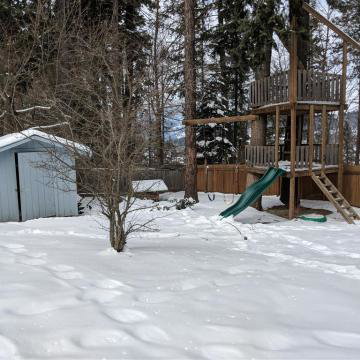
    Main floor living with kitchen opening to large dining and living room area.  Over sized windows bring the warmth of the day in with natural sunlight.  Master bedroom and 2 additional bedrooms on the main floor as well.  Step from the covered main entrance, off the 2 car carport, into hall way leading either to the kitchen or living room  Kitchen offers plenty of cupboard space and views to the large yard and tree house, along with filtered views to downtown Bonners Ferry.

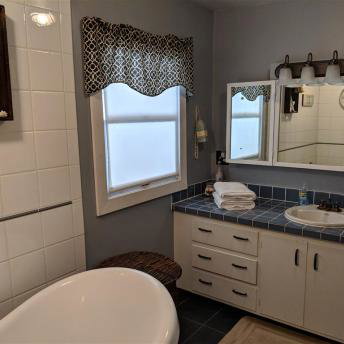
    Large 4th bedroom is on lower level along with a small shop / craft room plus a pantry – storage room.  Master bath has been redone with stand alone bath tub.  Very cute bathroom.  The attic offers the hideaway bonus room, with the possible 5th non conforming bedroom.
    The double lot allows for plenty of fenced outside room with a cool tree house.  There is a covered patio and open deck.

    This home includes an in ground pool although there is no value given with winter still upon us  and can not be sure of pump house condition.

    Experience the difference ‘Living In North Idaho’ will make.  Contact me as your local North Idaho Real Estate resource.

    6537 Jefferson – Bonners Ferry – Idaho 83805


    MLS 20180497

    $169,000.00

  • Finding the Right Seller

    The best seller is one who is highly motivated. A highly motivated seller is more likely to sell at a price that is less than his or her house is actually worth. And it matters that you find out why. Learning the reason why can help you get the price you want and help the seller get what they want: a timely sale.

    When given the opportunity to meet with sellers, ask them why they are selling. The reason could be anything, such as a job change to a new location or financial problems. If you can solve their problem, whether it is cash related or time related, do so. For example, if the sellers are highly motivated because they need to move quickly, give them a fast sale – and a lower price. If you can make an offer, even a low one, that gives them cash in a short time, they are more likely to accept.

    There are also some sellers that you should avoid. Not every seller is as genuinely motivated as they make themselves to be. Some possible hints:

    • they stall on having the home appraised or inspected
    • they are unable to clear up liens against their property
    • they do not own 100% of their property
    • they push back the move-out date
    • they do not have a replacement property or back up plan
    • etc.

    It is impossible to find the perfect seller. But it is possible to find out which sellers are legit and which ones aren’t.

  • Is Buying a Home Still a Smart Plan

    With the burst of the housing bubble, credit crisis, and millions of foreclosures across the country, you may wonder if buying a home is such a good idea after all. However, it’s important to consider all of the facts. The important message to take away from these events is not that buying a home is a bad idea, but that you must be smart about buying your home.

    The housing market, like every type of market, unavoidably has its ups and downs. That doesn’t mean buying a home is a bad investment. As a long-term investment, homeownership is still one of the best investments for individual households. Historically, real estate has consistently increased in value, despite shorter periods of depreciation due to local markets and/or national economic conditions. The data shows that homes generally appreciate about 5% per year.

    Savings & Investment

    Five percent may not seem like a great return on investment, but you have to think about it in the context of the situation. For example, let’s say you put 10% down on a $200,000 house. That’s a $20,000 down payment, or initial investment. At a 5% annual appreciation rate, your $200,000 home would gain $10,000 in value during the first year. Earning $10,000 on an investment of $20,000 is a whopping 50% return.

    For further perspective, let’s say instead of spending that $20,000 on a down payment, you invested it in the stock market. With a 5% return, you would gain only $1,000 in profit.

    Tax Benefits

    So now you’re saying that a home may have a higher return, but that’s before you consider all of the costs of home ownership, such as taxes, etc. Well, think of it this way: your property taxes as well as the interest on your mortgage are both tax deductible. You can deduct those costs from your income, thus reducing your overall taxable income. In other words, the government is subsidizing your home.

    Other Benefits

    It’s easy to get carried away with all of the economic reasons for home ownership, but it’s important to remember that not every reason is financial. Have you ever wanted to paint the walls of your apartment? Well when you’re renting, you can’t. Has anything in your apartment ever needed updating, but the landlord refused to do it? When you own a home, you can make the space yours in almost any way you want. And you benefit when you do home improvements, both financially and psychologically. Homes generally have more space, for storage, living, etc. than other living arrangements. Not to mention that you have space outdoors for barbecuing, pets, and kids. Owning your home carries with it a sense of pride, accomplishment, and even an elevated social status.

    So when you’re considering buying a home, consider the broad range of benefits that owning a home can have. And always make sure you have an experienced real estate agent and loan officer to help make sure you’re getting a home that is right for you, both financially and psychologically.

  • Common Ways of Holding Title

    How Should I Take Ownership of the Property I am Buying?

    Real property can be incredibly valuable and the question of how parties can take ownership of their property is important. The form of ownership taken — the vesting of title — will determine who may sign various documents involving the property and future rights of the parties to the transaction. These rights involve such matters as: real property taxes, income taxes, inheritance and gift taxes, transferability of title and exposure to creditor’s claims. Also, how title is vested can have significant probate implications in the event of death.

    The Land Title Association (LTA) advises those purchasing real property to give careful consideration to the manner in which title will be held. Buyers may wish to consult legal counsel to determine the most advantageous form of ownership for their particular situation, especially in cases of multiple owners of a single property.

    The LTA has provided the following definitions of common vesting as an informational overview. Consumers should not rely on these as legal definitions. The Association urges real property purchasers to carefully consider their titling decision prior to closing, and to seek counsel should they be unfamiliar with the most suitable ownership choice for their particular situation.

    Common Methods of Holding Title

    SOLE OWNERSHIP

    Sole ownership may be described as ownership by an individual or other entity capable of acquiring title. Examples of common vesting in cases of sole ownership are:

    1. A Single Man/Woman:

      A man or woman who has not been legally married. For example: Bruce Buyer, a single man.

    2. An Unmarried Man/Woman:

      A man or woman who was previously married and is now legally divorced. For example: Sally Seller, an unmarried woman.

    3. A Married Man/Woman as His/Her Sole and Separate Property:

      A married man or woman who wishes to acquire title in his or her name alone.

      The title company insuring title will require the spouse of the married man or woman acquiring title to specifically disclaim or relinquish his or her right, title and interest to the property. This establishes that it is the desire of both spouses that title to the property be granted to one spouse as that spouse’s sole and separate property. For example: Bruce Buyer, a married man, as his sole and separate property.

    CO-OWNERSHIP

    Title to property owned by two or more persons may be vested in the following forms:

    1. Community Property:

      A form of vesting title to property owned by husband and wife during their marriage, which they intend to own together. Community property is distinguished from separate property, which is property acquired before marriage, by separate gift or bequest, after legal separation, or which is agreed to be owned only by one spouse.

      Real property conveyed to a married man or woman is presumed to be community property, unless otherwise stated. Since all such property is owned equally, husband and wife must sign all agreements and documents of transfer. Under community property, either spouse has the right to dispose of one half of the community property, including transfers by will. For example: Bruce Buyer and Barbara Buyer, husband and wife as community property.

    2. Joint Tenancy

      A form of vesting title to property owned by two or more persons, who may or may not be married, in equal interest, subject to the right of survivorship in the surviving joint tenant(s). Title must have been acquired at the same time, by the same conveyance, and the document must expressly declare the intention to create a joint tenancy estate. When a joint tenant dies, title to the property is automatically conveyed by operation of law to the surviving joint tenant(s). Therefore, joint tenancy property is not subject to disposition by will. For example: Bruce Buyer and Barbara Buyer, husband and wife as joint tenants.

    3. Tenancy in Common:

      A form of vesting title to property owned by any two or more individuals in undivided fractional interests. These fractional interests may be unequal in quantity or duration and may arise at different times. Each tenant in common owns a share of the property, is entitled to a comparable portion of the income from the property and must bear an equivalent share of expenses. Each co-tenant may sell, lease or will to his/her heir that share of the property belonging to him/her. For example: Bruce Buyer, a single man, as to an undivided 3/4 interest and Penny Purchaser, a single woman, as to an undivided 1/4 interest, as tenants in common.

    Other ways of vesting title include:

    1. A Corporation*:

      A corporation is a legal entity, created under state law, consisting of one or more shareholders but regarded under law as having an existence and personality separate from such shareholders.

    2. A Partnership*:

      A partnership is an association of two or more persons who can carry on business for profit as co-owners, as governed by the Uniform Partnership Act. A partnership may hold title to real property in the name of the partnership.

    3. As Trustees of A Trust*:

      A trust is an arrangement whereby legal title to a property is transferred by the grantor to a person called a trustee, to be held and managed by that person for the benefit of the people specified in the trust agreement, called the beneficiaries.

    4. Limited Liability Companies (L.L.C.)

      This form of ownership is a legal entity and is similar to both the corporation and the partnership. The operating agreement will determine how the L.L.C. functions and is taxed. Like the corporation its existence is separate from its owners.

    *In cases of corporate, partnership, L.L.C. or trust ownership – required documents may include corporate articles and bylaws, partnership agreements, L.L.C. operating agreement and trust agreements and/or certificates.

    Remember:

    How title is vested has important legal consequences. You may wish to consult an attorney to determine the most advantageous form of ownership for your particular situation.

  • For Sale By Owner – A Good Idea?

    FSBO (pronounced fizz-bo), or For Sale By Owner, is a way of selling your home without the use of a professional real estate agent or broker. The idea behind FSBO is that by selling your home yourself, you save the approximate 6% that would be the agents’ commission.

    6% may not sound like a lot, but it can add up, especially on more expensive homes. But before you run off and decide to sell your home FSBO, you must remember that to get a savings like that, there must be a cost. So what’s the catch? Selling FSBO is hard. A lot harder.

    Only about 10% of sellers that decide to do FSBO are successful at it. And not all of them end up saving themselves money. FSBO sellers often end up accepting a lower price for their home than they would with an agent.

    There are of course other issues as well. Can you afford to make selling your home your full-time job? Because for a lot of FSBO sellers, that’s exactly what it is. Do you have the time and capital to spend on the marketing, advertising, inspections, paperwork, phone calls, showings, and problems that come up when any home is sold?

    Selling with a professional agent also has other advantages. An agent can get your home listed on the MLS (Multiple Listing Service) and other popular websites where not only homebuyers but also other agents can easily find it. Professional real estate agents also have an extensive network that allows them to more easily find a buyer.

    So before you decide to sell your home yourself, thoughtfully consider just how much time and effort you can spare for selling your home, as well as how important it is that your home sell sooner rather than later.

Share with